GlucoBooster™ Glucose Gel
- Helps raise low blood sugar quickly
- Rapid glucose when you need it
- Easy to carry for hypo support
Skip to content
Our mission is to provide clear, accessible tools and resources that make women's health simple and empowering. Whether you’re looking to manage your menstrual health, gain insights while trying to conceive, or navigate the changes that come with perimenopause and beyond, femme is here to support you.
Hormone Health
Products in Mae’s category:
Period Health, Hormone Support, Mood & Energy, Hair, Skin, & Nails
Fertility & Conception
Products in Faye’s category:
Fertility, Pregnancy, Postpartum, Sleep & Recovery
Perimenopause & Menopause
Products in Fern’s category:
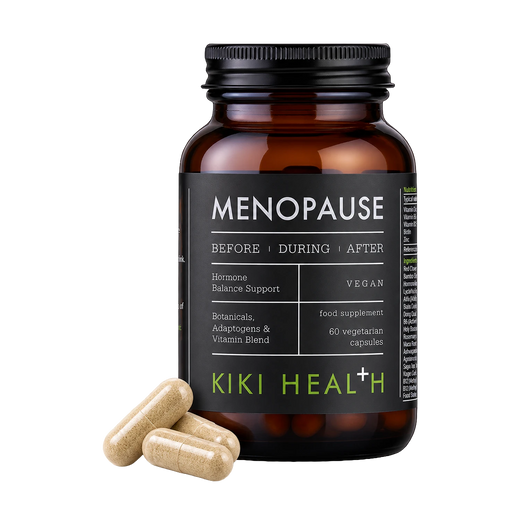
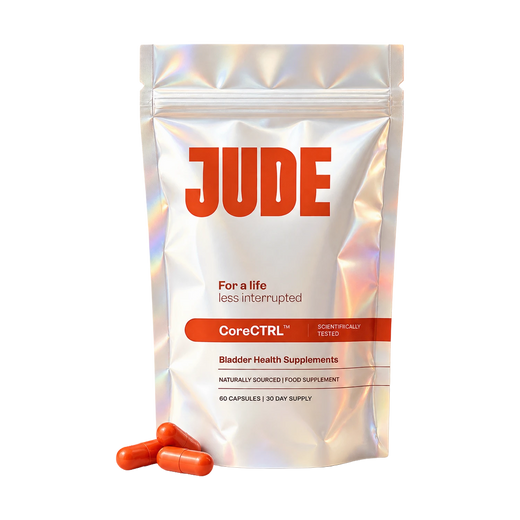
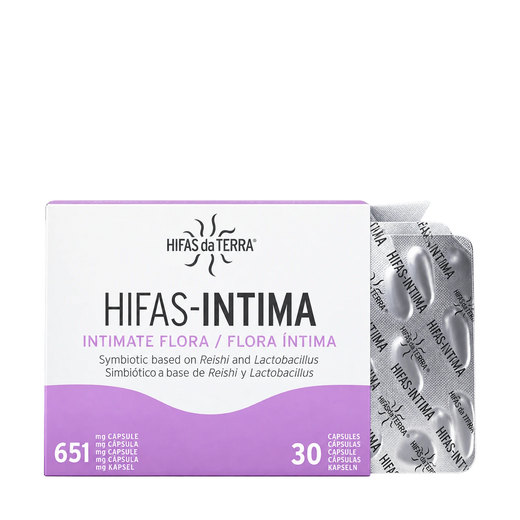
Menopause, Sleep, Gut Health, Bladder, Intimate Health & Desire
Take the guesswork out of your cycle with Tempdrop. Worn comfortably overnight, it helps you understand ovulation and identify your most fertile days without alarms or rigid routines.
Feel your best
Discover premium supplements made with carefully selected organic, wildcrafted and wholefood ingredients. Pure, purposeful nutrition designed to support your everyday wellbeing.
If you're 30-something, your Instagram feed probably looks a bit like ours here at femme HQ: full of life milestones - engagements, weddings, baby announcements. But lately, we've noticed something else creeping in alongside them: egg health and egg freezing content, popping up more and more. It's got us talking about why this is suddenly the topic everyone's discussing. Welcome to Know Your Eggs. Egg health and egg freezing are having a moment. From TikTok explainers to friends comparing AMH results over brunch, it's suddenly everywhere but a lot of the noise raises more questions than it answers. So we made Know Your Eggs: a guide that cuts through it, bringing together fertility science, nutrition and specialist expertise in one place. This blog covers the essentials: what egg health actually means how to support it what egg freezing really involves DOWNLOAD NOW Egg Health 101: What You Actually Need to Know When people talk about egg health, they're usually talking about two different things: egg count and egg quality - so what's the difference between the two? Egg count (also called ovarian reserve) refers to how many eggs you have remaining. Women are born with all the eggs they'll ever have — typically 1–2 million at birth, dropping to around 300,000 by puberty. That number naturally declines over time, with a sharper drop after the age of 35. Of that original supply, only around 300–500 eggs will ever actually be ovulated across a reproductive lifetime. Egg quality refers to how genetically "normal" an egg is, which affects its ability to fertilise and develop into a healthy pregnancy. Quality tends to decline with age too, but unlike count, it can be influenced by lifestyle and environmental factors. You can have a high egg count but lower egg quality, or vice versa - which is exactly why looking at just one number rarely tells the full story. Our bodies do such a great job of selecting high-quality eggs. — Maisie Hill, Period Power. Rather than framing this decline as a loss, Hill reframes it as proof of an incredibly selective process - your body working hard behind the scenes to put forward only the best-quality eggs for ovulation. What is ovarian reserve? Ovarian reserve is essentially your body's remaining "supply" of eggs. It's not something you can top up, but understanding where you stand can help you make more informed decisions about fertility planning, timing, and whether options like egg freezing might be worth exploring. AMH Testing, Explained Simply AMH (Anti-Müllerian Hormone) is a hormone produced by small follicles in the ovaries. A simple blood test can measure your AMH level, giving a general indication of your ovarian reserve - roughly how many eggs you likely have left. The key thing to remember: AMH reflects quantity, not quality. It's a useful clue, not a fertility score. A high AMH doesn't guarantee healthy eggs, and a lower AMH doesn't mean pregnancy isn't possible. It's one piece of the puzzle, best interpreted alongside other factors and, ideally, with guidance from a clinician. A few numbers worth knowing: You're born with roughly 1–2 million eggs, down to around 300,000 by puberty Only around 300–500 eggs will ever be ovulated in a lifetime Male factors contribute to roughly 40–50% of fertility challenges in couples — this isn't a one-sided story How to Improve Egg Quality: Start With What's on Your Plate Egg quality can be influenced by diet, supplementation and lifestyle. None of it needs to be perfect to make a difference. A Mediterranean-style diet, rich in antioxidants and healthy fats, is consistently linked with better assisted-reproduction outcomes and it's a common thread across the fertility research, from clinical studies to books like It Starts with the Egg. Even with a varied diet, stress, digestion and food quality can affect nutrient intake which is where targeted supplementation can help fill specific gaps. We love Ovum because their approach is backed by real science, 550+ clinical studies in fact, with formulas designed to support egg and reproductive health across that key 90-day window. 👉 Shop the Ovum Time to Conceive supplement here Use code KNOWYOUREGGS for 10% off. Download the Know Your Eggs guide to get more guidance on what to eat, what to cut back on, and a full fertility-friendly meal plan, plus the lifestyle tweaks (from plastics to alcohol to movement) that support egg quality day to day. It's a useful clue, not a fertility score. A high AMH doesn't guarantee healthy eggs, and a lower AMH doesn't mean pregnancy isn't possible. It's one piece of the puzzle, best interpreted alongside other factors and, ideally, with guidance from a clinician. A few numbers worth knowing: You're born with roughly 1–2 million eggs, down to around 300,000 by puberty Only around 300–500 eggs will ever be ovulated in a lifetime Male factors contribute to roughly 40–50% of fertility challenges in couples - this isn't a one-sided story Your Temperature Tells a Story Egg health isn't only about nutrition - understanding your cycle is part of the picture too. After ovulation, progesterone causes a small rise in basal body temperature (BBT) that stays raised until your next period, which is why overnight tracking (rather than a bedside thermometer) can help pinpoint ovulation and luteal phase length. SHOP TEMPDROP Egg Freezing, On Your Terms Life doesn't follow one script and family-building doesn't have to either. In England and Wales, the average age of someone having their first baby rose from 23 in 1970 to 29 in 2020 (ONS). And the numbers show it: according to the Human Fertilisation and Embryology Authority (HFEA), the UK's fertility regulator, egg freezing cycles nearly tripled between 2019 and 2023 — from 2,567 to 6,932 a year. The average age at freezing in 2023 was 35, with women returning to thaw and use their eggs at an average age of 40. As life timelines have become more varied, more women are exploring egg freezing, not as a last resort, but as an informed option. Less "last resort." More informed option — if you want it. Sources: HFEA, Egg Freezing: A Factsheet (hfea.gov.uk); Office for National Statistics. Elective vs Medical Egg Freezing Egg freezing involves collecting and storing unfertilised eggs for possible future use, giving people more flexibility around family-building or medical treatment. Elective egg freezing (more time + flexibility) Not ready to start a family Waiting for the right partner Career or personal timing Solo parenthood planning Gender-identity considerations Medical egg freezing (preserving options before care) Chemotherapy or radiotherapy Surgery that may affect fertility Conditions such as endometriosis Some hormone therapies Gender-affirming care pathways A future pregnancy is never guaranteed and outcomes can by influenced by your age at freezing, the number of mature eggs stored, sperm factors and future treatment. But the HFEA is clear that age at freezing (not age at use) is the single biggest factor in future success, which is why more people are choosing to explore it earlier. The Process, in Brief Egg freezing moves through three broad phases: an initial fertility assessment and specialist consultation (including AMH testing and a scan), a treatment cycle involving around 10–14 days of hormonal stimulation followed by a short egg-collection procedure, and finally rapid freezing (vitrification). In the UK eggs can be frozen for up to 55 years with consent renewed every 10. The full Know Your Eggs guide breaks this down step by step, including what to expect at each stage and how to prepare your body and mind for treatment. Egg Freezing: Quick Answers How many eggs should I freeze? There's no single magic number some clinics discuss ranges such as 15–20 mature eggs for a good chance of success, but it depends on age, ovarian reserve and individual goals. Curious about stimulation timelines, storage, and vitrification? The full Know Your Eggs guide answers the questions people ask most. Progress Over Perfection, Always Fertility is having a moment on social media right now - "fertility maxxing," endless supplement stacks, and no shortage of things you're apparently supposed to be doing. It's a lot. This guide is full of genuinely useful lifestyle tips - nutrition, sleep, supplements, tracking, and more - but none of it is meant to become another source of pressure. Stress itself can work against the very hormones and processes we've talked about here, so piling on guilt over an imperfect diet or a skipped supplement isn't doing you any favours. Think of this less as a checklist to nail perfectly, and more as a menu: pick what feels doable, make small changes where you can, and let go of the rest. Ready to take the next step? 📥 Download the full Know Your Eggs guide 🛒 Shop Ovum Time to Conceive — 10% off with code KNOWYOUREGGS
Learn moreEvery year, World IVF Day gives us a chance to pause and talk openly about a journey that millions of women and families go through, often in silence. Behind every fertility appointment, blood test, and medication schedule is something deeply personal: hope. Hope for good news. Hope for the future. Hope for a family. At Femme, that journey is represented by Faye. Faye isn't just a character. She's someone many women will recognise a little of themselves in. She dreams of having her own family one day, and like so many women navigating fertility challenges, she knows that the road to parenthood isn't always straightforward. There are moments when she feels excited and optimistic. There are moments when she feels frustrated, overwhelmed, and tired of waiting. Yet through it all, she continues to show up for herself, her loved ones, and the life she's building in the present while still holding onto her dreams for the future. Faye represents the resilience, patience, and strength that so many women carry every day, especially when their fertility journey isn't going to plan. For some women, that journey may eventually include IVF. What is IVF? IVF (In Vitro Fertilisation) is a fertility treatment where eggs are collected from the ovaries, fertilised with sperm in a laboratory, and then transferred back into the uterus as an embryo. People pursue IVF for many different reasons, including ovulation disorders, blocked fallopian tubes, male-factor infertility, unexplained infertility, age-related fertility challenges, and family building for LGBTQ+ couples and single parents by choice. Even though IVF has become increasingly common, it can still feel overwhelming when you're experiencing it for the first time. Between appointments, medication schedules, and unfamiliar terminology, there can be a lot to process emotionally and physically. If you're considering IVF or are already preparing to start treatment, here's what a typical IVF timeline might look like. The IVF Timeline: What to Expect Week by Week Weeks 1–2: Initial Consultation and Testing The IVF timeline usually begins with a series of tests and consultations. Your clinic may arrange: Blood tests and hormone panels Ultrasound scans Ovarian reserve testing Semen analysis (where applicable) This stage is all about understanding your individual fertility picture and creating a treatment plan tailored to you. Weeks 2–6: Priming Phase (If Required) Some treatment protocols include a priming phase using birth control or other medications. Although it might feel like a delay, this step helps prepare your body and encourages follicles to develop more evenly once stimulation begins. Days 1–12: Ovarian Stimulation This is often the stage people most associate with IVF. Daily hormone injections encourage the ovaries to produce multiple eggs rather than the single egg typically released during a natural cycle. During this time, you'll attend regular monitoring appointments where your clinic tracks follicle growth through blood tests and ultrasound scans. For many women, this can be one of the busiest stages of treatment. Between medication timings, dosage adjustments, and appointments, there's a lot to keep track of. Trigger Shot Once the follicles have reached the ideal size, you'll take a trigger injection to help mature the eggs before collection. Timing is incredibly important at this stage and is usually scheduled 34–36 hours before egg retrieval. Egg Retrieval Egg retrieval is a short procedure typically performed under light sedation. Using ultrasound guidance, eggs are collected directly from the ovaries. Most women return home the same day and spend the next day or two resting and recovering. Days 1–6: Fertilisation and Embryo Development Once collected, the eggs are fertilised in a laboratory. Over the next few days, embryologists carefully monitor embryo development. By days five or six, healthy embryos may reach what's known as the blastocyst stage, when many clinics choose to freeze or transfer them. Embryo Transfer The embryo is transferred back into the uterus either during the same cycle (fresh transfer) or during a later cycle (frozen embryo transfer). The procedure itself is usually quick and relatively painless. The hard part often isn't the transfer—it's the waiting that comes after. The Two-Week Wait If you've ever spoken to someone who has gone through IVF, you've probably heard about the infamous "two-week wait." For many women, this is the most emotionally challenging part of the entire process. Every sensation feels significant. Every day feels longer than normal. Every symptom gets analysed. Every phone notification can bring a wave of anticipation. It's a period where all you can really do is wait and hope. Beta hCG Test Usually around two weeks after embryo transfer, a blood test measures hCG levels to determine whether implantation has occurred. Sometimes additional tests are needed to confirm that hormone levels are rising appropriately. For many women, this is a moment they've been working towards for months or even years. Understanding Your Body Along the Way Fertility journeys often come with a crash course in cycle literacy—and knowing when you ovulate and how your hormones shift can be genuinely empowering, especially through the ups and downs of treatment. Basal body temperature (BBT) tracking confirms ovulation and reveals hormonal patterns by capturing the subtle temperature rise post-ovulation and dip before your period. The catch? Traditional BBT tracking demands rigid discipline—same wake time daily, temperature taken before you move, speak, or even think. One missed morning and your data suffers. During an already demanding IVF timeline, that kind of pressure is the last thing you need. A Smarter Way to Track Tempdrop takes that burden off your plate. This comfortable wearable works while you sleep, continuously monitoring temperature overnight and syncing automatically—no alarms, no perfect routines, no anxiety over a restless night or early appointment throwing off your chart. Built on proven BBT science, Tempdrop's smart algorithm filters out disturbances and adapts to irregular schedules, so you still get reliable data even when IVF's early mornings, medication side effects, and unpredictable days make consistency hard. When so much of the process already feels out of your hands, having a clearer, effortless window into your cycle can offer something invaluable: a little more confidence and control along the way. The Part People Don't Always Talk About While IVF timelines follow a medical timeline, fertility journeys rarely follow an emotional one. That's why Faye's story feels so important. Like many women, Faye is learning that fertility isn't something you can simply schedule or control. It's a journey that often requires patience, resilience, and self-compassion. Some days she feels hopeful. Some days she feels exhausted by the waiting. Some days she wonders if everyone around her seems to be moving forward while she remains stuck in place. And that's completely normal. The reality is that fertility journeys aren't defined by appointment dates, ovulation charts, or treatment milestones alone. They're defined by the courage it takes to keep believing in your future, even when the path isn't clear. Faye reminds us that it's possible to hold hope and uncertainty at the same time. To dream about tomorrow while still embracing today. To Every Woman Navigating Fertility Challenges This World IVF Day, we're thinking about every woman who is trying to conceive, undergoing treatment, waiting for answers, grieving setbacks, celebrating milestones, or simply taking things one day at a time. Whether your journey includes IVF or not, your experience is valid. Like Faye, you are allowed to dream about the future while still embracing the life you're living today. You are allowed to feel hopeful and vulnerable at the same time. You are allowed to have difficult days. And most importantly, you are not alone.
Learn moreWe've introduced three new personalities to the femme Health brand - Mae, Faye & Fern. Get to know their individual characters, energy & charm. By bringing these characters to life, we hope to make space for more honest conversations, more understanding, and a stronger sense of connection within our community.
Learn more