





Have questions?
Chat with our team. Available from 9am - 5pm, Monday - Friday.
Out of stock
100ml
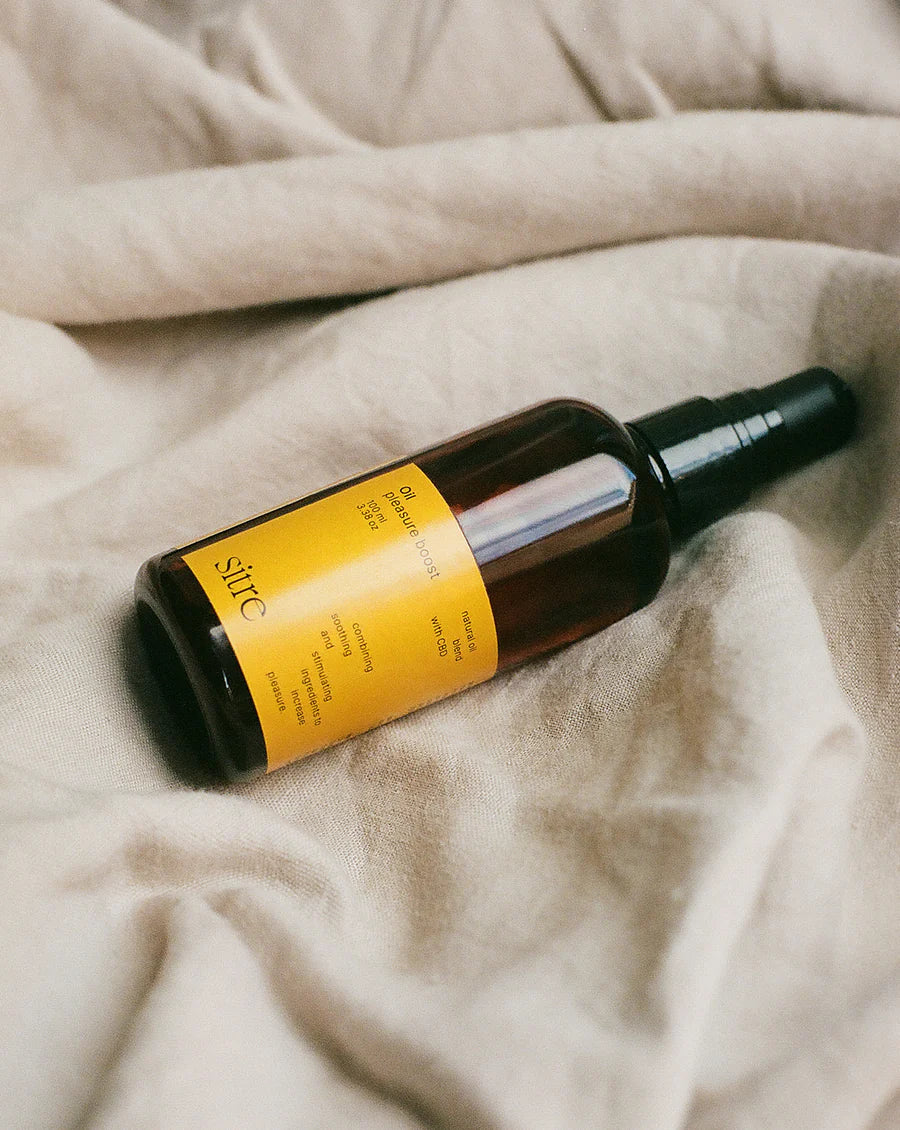
A natural CBD intimacy and massage oil designed to heighten sensitivity, ease tension and make every touch feel more intense.
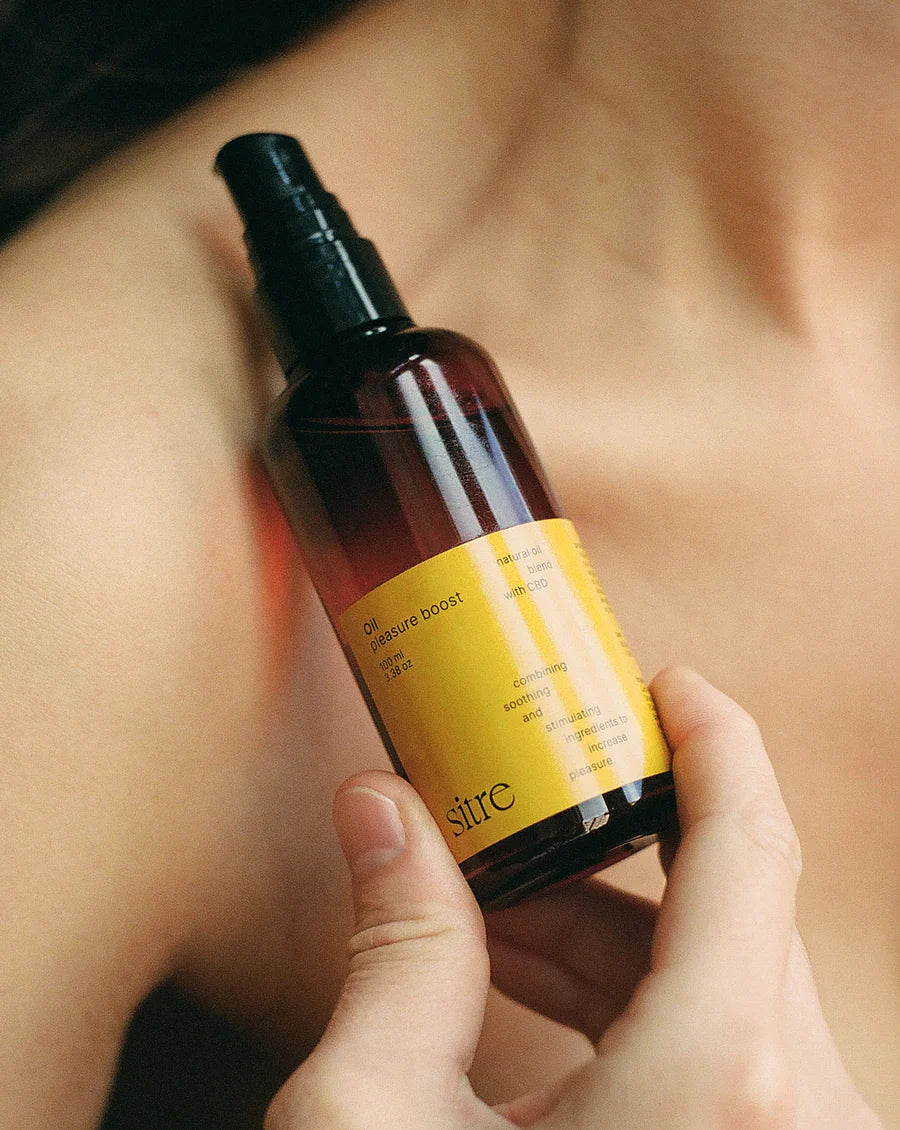
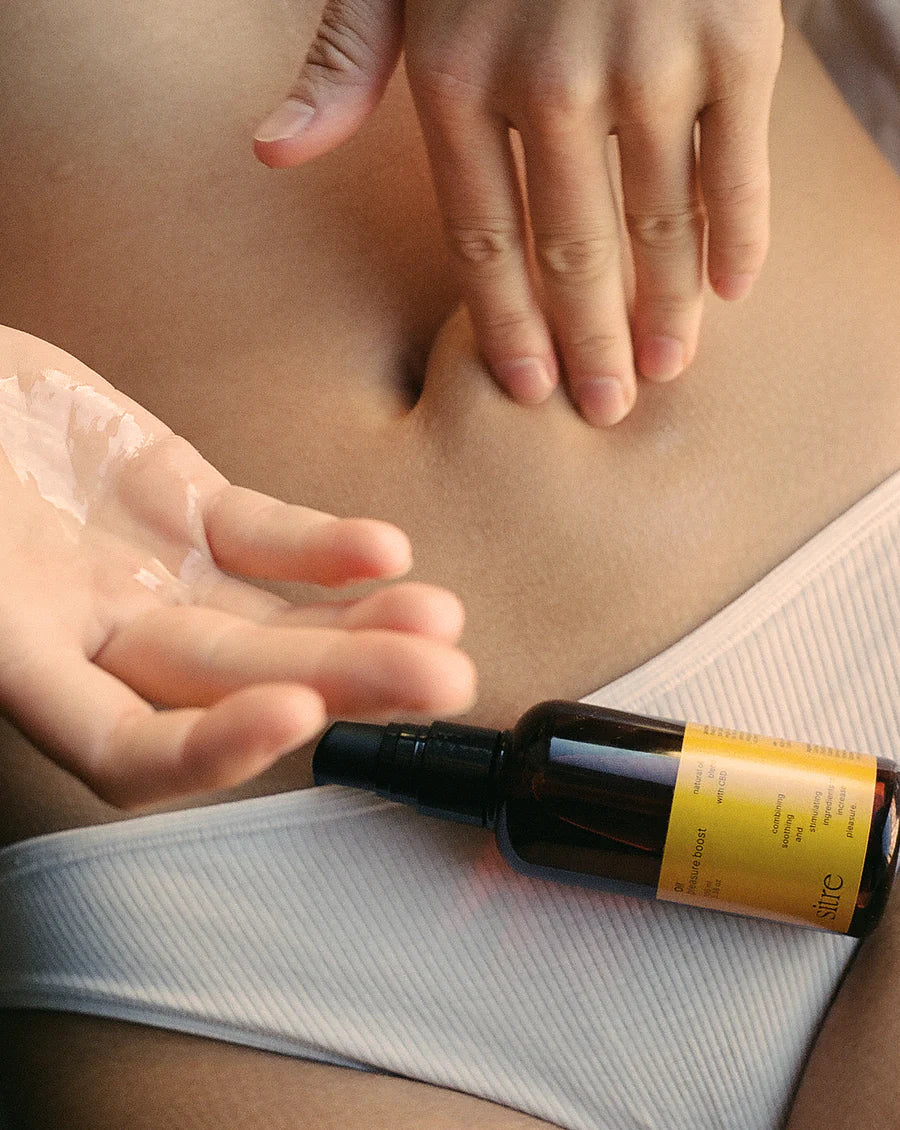
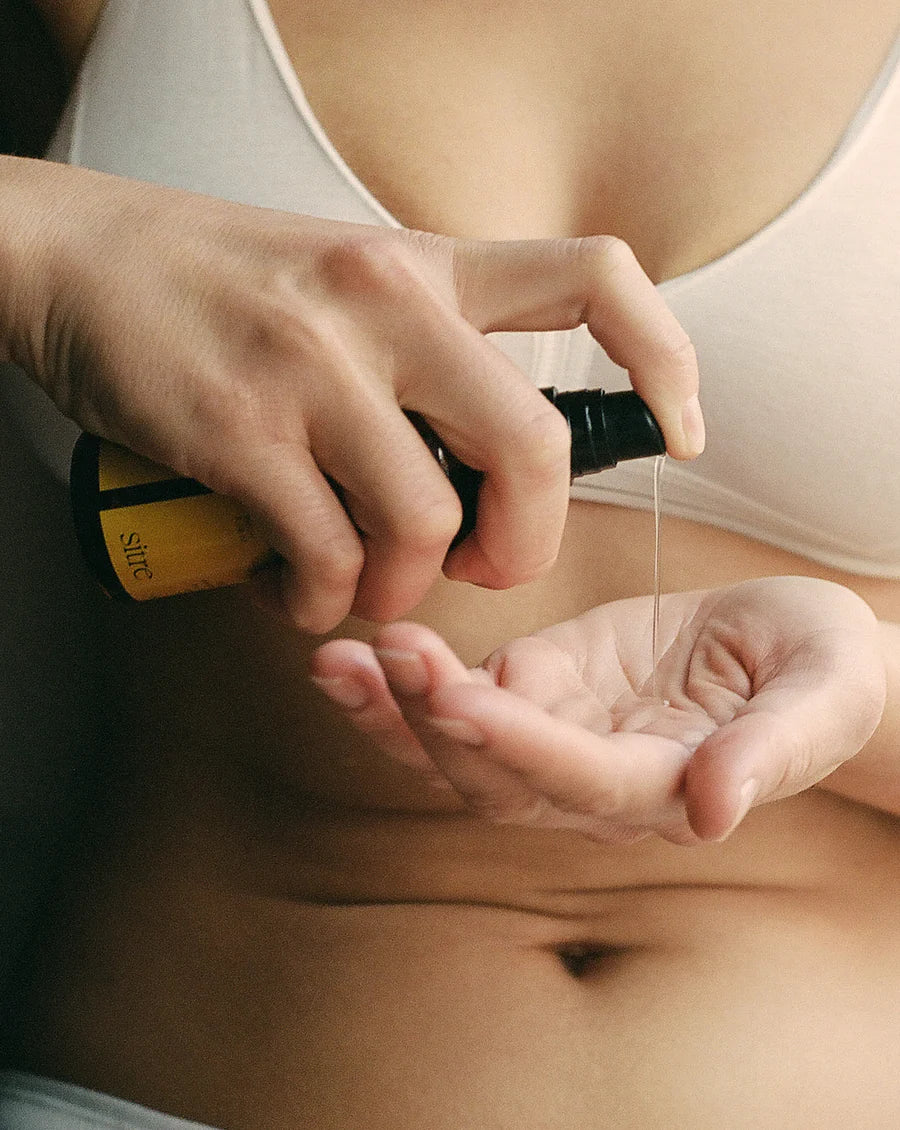
Sitre Pleasure Boost Intimacy Oil is a 100% natural massage and intimacy oil designed to heighten sensitivity and make touch feel more intense. The formula combines nourishing plant oils with cannabidiol (CBD), creating a silky oil that can be massaged directly onto intimate areas or used across the body.
Designed to work gradually, the active ingredients are given time to absorb into the skin before intimacy. Sitre describes the CBD as non-psychoactive, while the fragrance-free, vegan formula is dermatologically tested and suitable for use with intimate toys.
Pleasure Boost can be used as both a massage oil and lubricant, making it a versatile addition to intimate routines. As it is oil-based, it should not be used with latex condoms.
Delivery
Returns
View the shipping policy here.
View the returns policy here.
Please note: Orders shipped to Ireland femme will pay the customs charges.

Split your purchase into 3 interest-free payments.
Interest-free. Your exact payment schedule and eligibility are confirmed by Klarna at checkout. Terms apply.

Split your purchase into 4 interest-free payments.
Interest-free. Your exact payment schedule and eligibility are confirmed by Clearpay at checkout. Terms apply.

1 in 6 face fertility challenges at work. Natalie Silverman shares IVF insights and practical guidance for managers to support employees with empathy.
Learn more
Women, Pleasure & Taboo: Redefining Intimacy Through Fertility and Menopause Title: Women, Pleasure & Taboo: Redefining Intimacy Through Fertility and Menopause Host: Stef Meachin Guest: Cecilie Hjelmager, Co-Founder of Sitre Length: ~30 minutes In the first episode of Season 3, Know Your Flow returns with a bold and important conversation about intimacy, female pleasure, and wellness. Host Stef Meachin, co-founder of femme, is joined by Cecilie Hjelmager, co-founder of the Danish intimacy brand Sitre, to explore why intimacy and pleasure are still treated as taboo topics - even among women - and how this conversation is finally beginning to change. Cecilie shares how her own experiences, alongside her co-founder Julie’s, inspired the creation of Sitre - a brand redefining intimacy with products designed to support fertility, postpartum, perimenopause, and menopause, all while promoting inclusivity and education. Together, Stef and Cecilie discuss how communication, emotional connection, and self-awareness can transform how we think about sex and intimacy at every life stage. “We wouldn’t even be on this planet without intimacy, so why is it still so taboo?” Stef Meachin In This Episode, We Discuss: The story behind Sitre and its mission to make intimacy part of overall wellness Why conversations about female pleasure are still surrounded by stigma The impact of fertility journeys, hormonal changes, and menopause on intimacy How small acts of connection — from touch to setting a mood — can nurture relationships The importance of fertility-safe and body-friendly products for women’s health How Sitre is building an inclusive storytelling platform to educate and empower Why teaching intimacy as part of wellbeing (not just sex education) should start earlier Listen here “Intimacy isn’t a luxury - it’s a key part of our wellbeing.” Cecilie Hjelmager Episode Takeaways Intimacy should be seen as wellness, not shame. Open communication between partners is vital through life’s changes. Pleasure and emotional connection support mental and physical health. Safe, inclusive products can empower women through every stage of life. Sitre products containing CBD and Vitamin E, could really help those with endometriosis and adenomyosis with intimacy as it often causes muscle spasms and tension “A good orgasm can be one of the best stress relievers - yet no one teaches that.” Cecilie Hjelmager Timestamps 00:00 – Welcome to Season 3 of Know Your Flow Stef opens the new season with excitement and introduces today’s theme: intimacy — a subject many women still find difficult to talk about. 01:00 – Introducing Cecilie and Sitre Meet Cecilie Hjelmager, co-founder of the Copenhagen-based intimacy brand Sitre, redefining how we think about pleasure, wellness, and women’s health. 02:00 – The Story Behind Sitre Cecilie shares how her and her co-founder Julie’s personal experiences led to creating Sitre — a brand inspired by the need for safe, empowering products that treat intimacy as part of overall wellbeing. 04:20 – Why Is Female Pleasure Still Taboo? A powerful discussion on why women’s pleasure has been ignored for centuries, the influence of media and male-centric narratives, and why open conversations are the key to change. 07:00 – The Importance of Representation and Storytelling Cecilie explains how sharing real stories from women helps break shame and normalise female desire, pleasure, and connection. 08:50 – Intimacy During Fertility and Menopause Stef and Cecilie explore how intimacy often suffers during fertility struggles and menopause, and how communication can strengthen relationships during these vulnerable stages. 10:45 – Redefining Intimacy Beyond Sex Cecilie shares how intimacy isn’t just about penetration — it’s about connection, touch, and acts of care like massages or lighting a candle to build closeness without pressure. 13:30 – The Pressure of Performance and Communication in Relationships Stef reflects on her own experience attending an intimacy masterclass, highlighting the importance of communication, honesty, and learning to adapt with your partner. 14:30 – Fertility-Safe Lubricants & Product Safety Cecilie explains why not all lubricants are fertility-safe and how Sitre prioritises natural ingredients, pH balance, and skin health to ensure safety during fertility treatment and menopause. 17:30 – Ingredients That Support Women’s Wellness Discover how Sitre uses Vitamin E for healing and CBD for relaxation and anti-inflammatory benefits — designed to nurture the body and reduce tension. 19:20 – Education, Inclusivity & Changing the Conversation Cecilie discusses why Sitre built a storytelling platform (feelSitre.com) to share honest, diverse experiences from women of all ages and backgrounds. 22:30 – Intimacy Education and Schools Stef and Cecilie reflect on how sex education in schools focuses on biology and contraception, not pleasure or wellbeing — and why this needs to change. 24:00 – Intimacy as Wellness and Stress Relief They discuss the mental and physical benefits of pleasure — from stress relief and better sleep to improved self-connection. 25:00 – Redefining the Language of Intimacy Cecilie talks about moving away from “kinky” or “dirty” language to embrace intimacy as something mindful, soft, and emotional — not performative. 27:00 – What’s Next for Sitre Cecilie reveals what’s coming next for the brand — from new products inspired by daily wellness rituals to expanding Sitre’s storytelling and educational platform. 29:00 – Where to Find Sitre Cecilie invites listeners to connect on Instagram @feelSitre Sitre products are also available here. 30:00 – Closing Thoughts Stef wraps up with a heartfelt thank you, reflecting on the importance of open conversations about intimacy, connection, and women’s wellbeing. “It’s about redefining intimacy as connection, not performance.” Cecilie Hjelmager Episode Summary In this episode, Stef and Cecilie challenge the taboos around female pleasure and redefine intimacy as a vital part of wellness. They discuss fertility, menopause, communication in relationships, and the power of safe, inclusive products and education. It’s an honest, empowering conversation for every woman learning to connect with her body, her partner, and herself. Listen & Subscribe Listen to Know Your Flow by femme on Spotify, Apple Podcasts, or wherever you get your podcasts — and don’t forget to subscribe to catch the next episode in Season 3.
Learn more
Every year, World IVF Day gives us a chance to pause and talk openly about a journey that millions of women and families go through, often in silence. Behind every fertility appointment, blood test, and medication schedule is something deeply personal: hope. Hope for good news. Hope for the future. Hope for a family. At Femme, that journey is represented by Faye. Faye isn't just a character. She's someone many women will recognise a little of themselves in. She dreams of having her own family one day, and like so many women navigating fertility challenges, she knows that the road to parenthood isn't always straightforward. There are moments when she feels excited and optimistic. There are moments when she feels frustrated, overwhelmed, and tired of waiting. Yet through it all, she continues to show up for herself, her loved ones, and the life she's building in the present while still holding onto her dreams for the future. Faye represents the resilience, patience, and strength that so many women carry every day, especially when their fertility journey isn't going to plan. For some women, that journey may eventually include IVF. What is IVF? IVF (In Vitro Fertilisation) is a fertility treatment where eggs are collected from the ovaries, fertilised with sperm in a laboratory, and then transferred back into the uterus as an embryo. People pursue IVF for many different reasons, including ovulation disorders, blocked fallopian tubes, male-factor infertility, unexplained infertility, age-related fertility challenges, and family building for LGBTQ+ couples and single parents by choice. Even though IVF has become increasingly common, it can still feel overwhelming when you're experiencing it for the first time. Between appointments, medication schedules, and unfamiliar terminology, there can be a lot to process emotionally and physically. If you're considering IVF or are already preparing to start treatment, here's what a typical IVF timeline might look like. The IVF Timeline: What to Expect Week by Week Weeks 1–2: Initial Consultation and Testing The IVF timeline usually begins with a series of tests and consultations. Your clinic may arrange: Blood tests and hormone panels Ultrasound scans Ovarian reserve testing Semen analysis (where applicable) This stage is all about understanding your individual fertility picture and creating a treatment plan tailored to you. Weeks 2–6: Priming Phase (If Required) Some treatment protocols include a priming phase using birth control or other medications. Although it might feel like a delay, this step helps prepare your body and encourages follicles to develop more evenly once stimulation begins. Days 1–12: Ovarian Stimulation This is often the stage people most associate with IVF. Daily hormone injections encourage the ovaries to produce multiple eggs rather than the single egg typically released during a natural cycle. During this time, you'll attend regular monitoring appointments where your clinic tracks follicle growth through blood tests and ultrasound scans. For many women, this can be one of the busiest stages of treatment. Between medication timings, dosage adjustments, and appointments, there's a lot to keep track of. Trigger Shot Once the follicles have reached the ideal size, you'll take a trigger injection to help mature the eggs before collection. Timing is incredibly important at this stage and is usually scheduled 34–36 hours before egg retrieval. Egg Retrieval Egg retrieval is a short procedure typically performed under light sedation. Using ultrasound guidance, eggs are collected directly from the ovaries. Most women return home the same day and spend the next day or two resting and recovering. Days 1–6: Fertilisation and Embryo Development Once collected, the eggs are fertilised in a laboratory. Over the next few days, embryologists carefully monitor embryo development. By days five or six, healthy embryos may reach what's known as the blastocyst stage, when many clinics choose to freeze or transfer them. Embryo Transfer The embryo is transferred back into the uterus either during the same cycle (fresh transfer) or during a later cycle (frozen embryo transfer). The procedure itself is usually quick and relatively painless. The hard part often isn't the transfer—it's the waiting that comes after. The Two-Week Wait If you've ever spoken to someone who has gone through IVF, you've probably heard about the infamous "two-week wait." For many women, this is the most emotionally challenging part of the entire process. Every sensation feels significant. Every day feels longer than normal. Every symptom gets analysed. Every phone notification can bring a wave of anticipation. It's a period where all you can really do is wait and hope. Beta hCG Test Usually around two weeks after embryo transfer, a blood test measures hCG levels to determine whether implantation has occurred. Sometimes additional tests are needed to confirm that hormone levels are rising appropriately. For many women, this is a moment they've been working towards for months or even years. Understanding Your Body Along the Way Fertility journeys often come with a crash course in cycle literacy—and knowing when you ovulate and how your hormones shift can be genuinely empowering, especially through the ups and downs of treatment. Basal body temperature (BBT) tracking confirms ovulation and reveals hormonal patterns by capturing the subtle temperature rise post-ovulation and dip before your period. The catch? Traditional BBT tracking demands rigid discipline—same wake time daily, temperature taken before you move, speak, or even think. One missed morning and your data suffers. During an already demanding IVF timeline, that kind of pressure is the last thing you need. A Smarter Way to Track Tempdrop takes that burden off your plate. This comfortable wearable works while you sleep, continuously monitoring temperature overnight and syncing automatically—no alarms, no perfect routines, no anxiety over a restless night or early appointment throwing off your chart. Built on proven BBT science, Tempdrop's smart algorithm filters out disturbances and adapts to irregular schedules, so you still get reliable data even when IVF's early mornings, medication side effects, and unpredictable days make consistency hard. When so much of the process already feels out of your hands, having a clearer, effortless window into your cycle can offer something invaluable: a little more confidence and control along the way. The Part People Don't Always Talk About While IVF timelines follow a medical timeline, fertility journeys rarely follow an emotional one. That's why Faye's story feels so important. Like many women, Faye is learning that fertility isn't something you can simply schedule or control. It's a journey that often requires patience, resilience, and self-compassion. Some days she feels hopeful. Some days she feels exhausted by the waiting. Some days she wonders if everyone around her seems to be moving forward while she remains stuck in place. And that's completely normal. The reality is that fertility journeys aren't defined by appointment dates, ovulation charts, or treatment milestones alone. They're defined by the courage it takes to keep believing in your future, even when the path isn't clear. Faye reminds us that it's possible to hold hope and uncertainty at the same time. To dream about tomorrow while still embracing today. To Every Woman Navigating Fertility Challenges This World IVF Day, we're thinking about every woman who is trying to conceive, undergoing treatment, waiting for answers, grieving setbacks, celebrating milestones, or simply taking things one day at a time. Whether your journey includes IVF or not, your experience is valid. Like Faye, you are allowed to dream about the future while still embracing the life you're living today. You are allowed to feel hopeful and vulnerable at the same time. You are allowed to have difficult days. And most importantly, you are not alone.
Learn moreChat with our team. Available from 9am - 5pm, Monday - Friday.
Learn more about our team, values, and approach.
Out of stock
Sitre Pleasure Boost Intimacy Oil is a 100% natural massage and intimacy oil designed to heighten sensitivity and make touch feel more intense. The formula combines nourishing plant oils with cannabidiol (CBD), creating a silky oil that can be massaged directly onto intimate areas or used across the body.
Designed to work gradually, the active ingredients are given time to absorb into the skin before intimacy. Sitre describes the CBD as non-psychoactive, while the fragrance-free, vegan formula is dermatologically tested and suitable for use with intimate toys.
Pleasure Boost can be used as both a massage oil and lubricant, making it a versatile addition to intimate routines. As it is oil-based, it should not be used with latex condoms.


