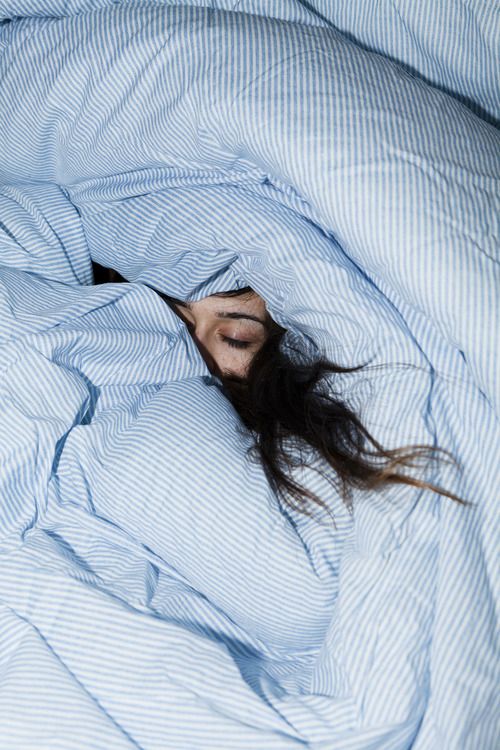
In a world that celebrates productivity and busyness, sleep and rest are often the first things we sacrifice. Late nights, early mornings, constant notifications, and full schedules have turned exhaustion into something many people accept as normal. But sleep isn’t a luxury — it’s a biological necessity.
Quality sleep and intentional rest support physical health, emotional balance, hormonal regulation, and skin repair. When we prioritise rest, the body functions more smoothly. When we don’t, stress and inflammation quietly build beneath the surface.
Why Sleep Is Essential for the Body
Sleep is the body’s primary repair window. During deep sleep stages, cells regenerate, tissues heal, and the immune system strengthens. Hormones responsible for stress regulation, growth, and recovery are released mainly while we sleep.
Chronic sleep disruption can affect:
- Immune resilience
- Hormonal balance
- Emotional regulation
- Focus and memory
- Skin barrier repair
Over time, poor sleep is linked to increased inflammation, heightened stress responses, and worsened chronic conditions.

Sleep, Stress, and the Nervous System
Sleep and stress are closely connected. When stress levels rise, falling asleep and staying asleep becomes more difficult. In turn, poor sleep increases cortisol, the body’s primary stress hormone.
Elevated cortisol can:
- Disrupt circadian rhythms
- Increase anxiety and irritability
- Trigger skin flare-ups
- Impact energy levels and digestion
Restorative sleep helps calm the nervous system, allowing the body to shift from fight-or-flight into a state of repair and balance.
The Role of Sleep in Hormonal Health
Sleep plays a vital role in hormonal regulation, particularly for those with menstrual cycles. Hormones such as estrogen, progesterone, melatonin, and cortisol are all influenced by sleep quality and timing.
Inconsistent sleep may contribute to:
- Irregular cycles
- Increased PMS symptoms
- Fatigue during the luteal phase
- Difficulty waking or winding down
Tracking sleep alongside hormonal patterns can offer valuable insight. Tempdrop supports this by tracking basal body temperature overnight, helping users understand how rest, stress, and routine changes impact their internal rhythms.
Understanding Your Sleep Patterns with Tempdrop
Many people know they feel tired, but not why. Sleep duration alone doesn’t tell the full story — consistency, timing, and quality matter just as much.
Tempdrop is designed to support deeper body awareness through overnight temperature tracking. While it’s widely used for fertility awareness, Tempdrop’s sleep function also offers insight into sleep timing, disruptions, and nightly consistency.
By wearing Tempdrop overnight, users can notice correlations between sleep quality, stress, illness, or hormonal shifts — helping them respond with care rather than guesswork.

Rest Is More Than Just Sleep
Sleep is essential, but rest extends beyond the hours spent in bed. You can sleep for eight hours and still feel depleted if your days are overstimulating or emotionally demanding.
True rest includes:
- Mental rest (reducing constant thinking and decision-making)
- Emotional rest (feeling supported and safe)
- Physical rest (allowing the body to recover)
- Sensory rest (less screen time, noise, and stimulation)
Supporting rest during the day creates the conditions for deeper, more restorative sleep at night.

Gentle Support for Calming the Mind
For many people, falling asleep isn’t about tiredness — it’s about calming a busy nervous system. Creating a wind-down routine that supports relaxation can make a significant difference.
This is where gentle supplements like Kiki Health Serenity can fit in. Serenity is formulated with calming ingredients designed to support relaxation and help ease the transition into rest, without feeling heavy or sedating.
Incorporating Serenity into an evening routine — alongside practices like reading, stretching, or journaling — can help signal to the body that it’s safe to slow down.

Sleep and Skin Health
Skin repair is most active at night. During sleep, blood flow to the skin increases, inflammation reduces, and the skin barrier works to restore itself.
When sleep is disrupted:
- Skin becomes more reactive
- Healing slows
- Sensitivity increases
- Conditions like eczema and breakouts may worsen
Prioritising sleep and rest supports skin health from the inside out, working alongside topical skincare to maintain balance and resilience.
Creating a Sleep-Supportive Routine
Improving sleep doesn’t require perfection — it requires consistency and intention.
Simple ways to support better sleep include:
- Keeping consistent bed and wake times
- Reducing screens before bed
- Creating a calming nighttime ritual
- Supporting relaxation with tools like Tempdrop insights or Kiki Health Serenity
- Listening to your body rather than pushing through exhaustion
Small, repeatable habits often have the biggest impact. You can also explore our sleep support collection for products designed around calmer evenings and better rest.
Listening to Your Body
Sleep patterns are a form of communication. Restlessness, disrupted nights, or temperature changes are signals worth paying attention to.
Tracking these patterns with Tempdrop, supporting relaxation with Kiki Health Serenity, and prioritising daily rest allows you to respond with curiosity and care rather than frustration.
Final Thoughts
Sleep isn’t something to control or perfect — it’s something to support gently. When we honour our need for rest, we support our hormones, skin, mood, and overall wellbeing.
By combining awareness tools like Tempdrop and its sleep function with calming routines and supportive products like Kiki Health Serenity, rest becomes less of a struggle and more of a practice.
Rest is not a reward.
It’s a foundation.