Know Your Flow podcast
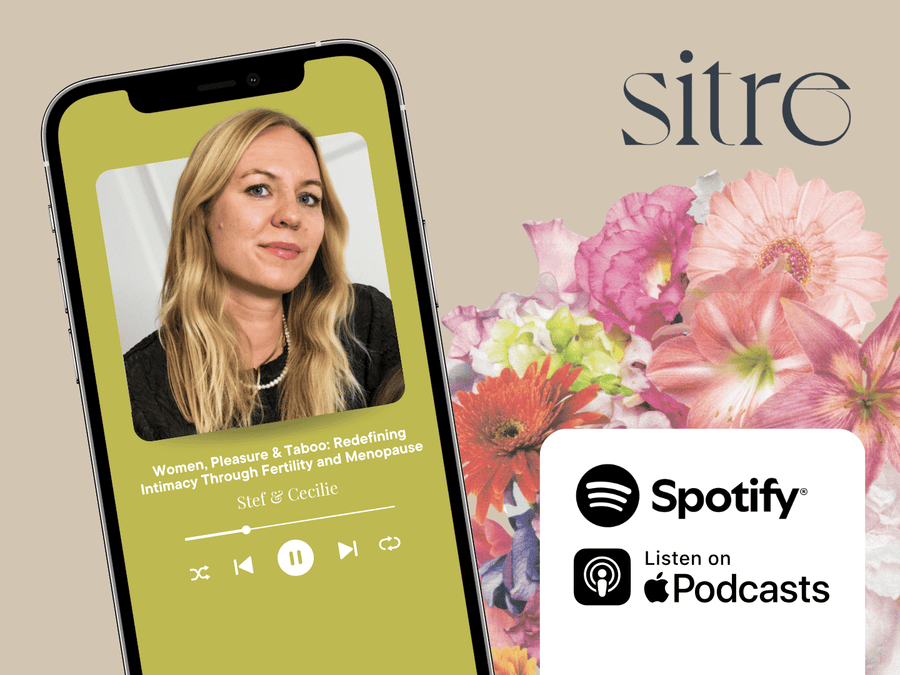
In this episode of Know Your Flow, Stef is joined by Cecilie Hjelmager, co-founder of Danish intimacy brand Sitre, for a conversation about female pleasure, connection and the taboos that still surround intimate wellbeing. They explore how fertility journeys, hormonal change and menopause can affect intimacy, and why communication and self-awareness matter through every life stage.
In This Episode, We Discuss
- The story behind Sitre and its aim to make intimacy part of wider wellbeing
- Why conversations about female pleasure can still feel difficult or stigmatised
- How fertility journeys, hormonal changes and menopause can affect intimacy
- How small acts of connection, from touch to creating time together, can support relationships
- Why product formulation and individual comfort matter when choosing intimate products
- How storytelling and education can help normalise conversations about pleasure and connection
- Why intimacy education can go beyond biology and contraception

“We wouldn’t even be on this planet without intimacy, so why is it still so taboo?”Stef Meachin
Episode Takeaways
Intimacy can be part of wellbeing
Stef and Cecilie challenge the idea that intimacy belongs in a separate, embarrassing category. Their conversation looks at pleasure, communication and connection as parts of a wider wellbeing picture.
Life stages can change how intimacy feels
Fertility treatment, postpartum changes, perimenopause and menopause can all change the emotional or physical experience of intimacy. The episode focuses on adapting expectations and keeping communication open rather than treating intimacy as performance.
Connection does not have to mean sex
Cecilie describes intimacy more broadly, including touch, massage, shared rituals and other forms of closeness. Removing pressure can make space for partners to communicate what feels comfortable and meaningful.
Product choice should be individual
The episode discusses ingredients and formulation from Sitre’s perspective. Intimate products may support comfort for some people, but they are not treatments for conditions such as endometriosis or adenomyosis. Persistent pain, muscle spasm, bleeding or other concerning symptoms should be assessed by a qualified healthcare professional.
Better language can reduce shame
The conversation also looks at the words used around sex and pleasure. Clear, inclusive and non-judgemental language can make it easier to talk about changing needs, ask questions and seek appropriate support.
“Intimacy isn’t a luxury - it’s a key part of our wellbeing.”Cecilie Hjelmager
A Note on Intimate Health
This episode reflects Cecilie’s experience as a founder and the wider discussion she has with Stef. Product suitability varies from person to person, particularly during fertility treatment, pregnancy, postpartum recovery or menopause. If intimacy is painful, symptoms are persistent, or something has changed significantly from your normal, speak with a qualified healthcare professional rather than relying on a product alone.
Episode Chapters
“It’s about redefining intimacy as connection, not performance.”Cecilie Hjelmager
Episode Summary
Stef and Cecilie challenge some of the taboos around female pleasure and explore intimacy as part of wider wellbeing. They discuss fertility, menopause, communication in relationships, product choice and the role of more open education. The result is a frank conversation about understanding your own needs and staying connected to yourself and others as those needs change.
Listen & Subscribe
Listen to Know Your Flow by femme on Spotify, Apple Podcasts or wherever you get your podcasts. You can also explore the Sitre collection at femme.