We asked ChatGPT how someone might support PCOS naturally. The answer sounded sensible: focus on nutrition, movement, sleep, stress and supplements. But health advice is rarely as simple as a neat checklist.
So this is the useful version. We have kept the practical ideas that can support general health, removed the overconfident claims, and added the context that matters when you are living with PCOS, now increasingly discussed as PMOS.
First, PCOS Is Not a Lifestyle Failure
PCOS is a complex endocrine and metabolic condition. Symptoms can include irregular or absent periods, signs of higher androgen levels, acne, excess hair growth, changes in weight, difficulties with ovulation and fertility, although experiences vary considerably.
Lifestyle changes can be useful for some symptoms and for long-term health, but they do not mean the condition was caused by poor choices. Diagnosis and treatment should be individualised. Our updated guide explains PCOS, PMOS and what the terminology means.
What ChatGPT Got Right, With Better Context
Build meals around consistency, not restriction
Regular meals that include protein, fibre, vegetables, wholegrains and healthy fats can support general metabolic health. There is no single PCOS diet, and cutting out gluten, dairy, carbohydrates or entire food groups is not automatically necessary.
Movement matters, but it does not have to be extreme
Walking, resistance exercise, cardiovascular activity and movement you genuinely enjoy can all contribute to health. The best routine is one you can sustain and recover from, not the hardest programme you can tolerate.
Sleep deserves more attention
Poor sleep can make energy, appetite and stress harder to manage. Some people with PCOS also have a higher risk of sleep-disordered breathing, so persistent snoring, waking unrefreshed or significant daytime sleepiness is worth discussing with a healthcare professional.
Stress support is useful, but it is not a cure
Reducing chronic stress can improve wellbeing and make other healthy habits easier to maintain. It should not be presented as a way to cure PCOS or as proof that symptoms are psychological.
Supplements need context
If food and supplements are the part you want to explore further, our interview on PCOS, nutrition and fertility gives a specialist perspective, while the PCOS/PMOS collection and broader women's supplements collection make it easier to compare current products without presenting them as treatments.
Inositol is widely used by people with PCOS and is being studied for metabolic and reproductive outcomes. Evidence and ideal formulations are still evolving, so supplements should sit alongside, not replace, appropriate clinical care.
Where Tracking Can Help
Irregular cycles can make it difficult to know whether ovulation has happened. Basal body temperature tracking can sometimes help confirm ovulation retrospectively by showing a sustained temperature shift after ovulation.
It cannot diagnose PCOS, measure hormone levels or guarantee that ovulation will occur. Cycle and symptom tracking is most useful as a way to organise patterns and give you clearer information to discuss with your healthcare team. Read our complete guide to BBT tracking for the detail.
Tools That May Fit Into a Wider Routine
These are support tools, not treatments or diagnostic devices for PCOS.

Tempdrop Fertility, Cycle & Ovulation Tracker
An overnight wearable for collecting temperature data and looking for cycle patterns without needing to take a manual reading at the same time every morning.
VIEW TEMPDROP
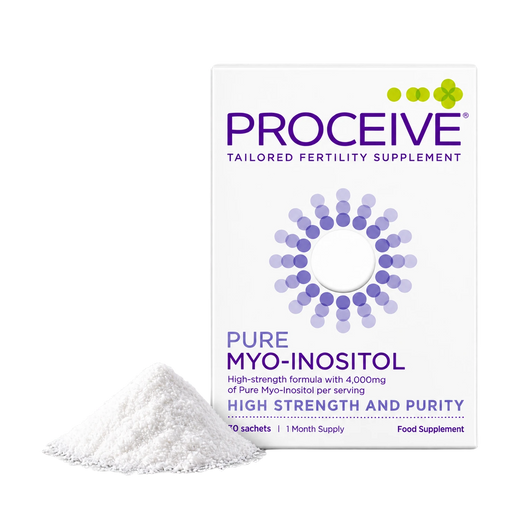
Proceive® PURE Myo-Inositol
An inositol-based supplement option for people who want to discuss that approach as part of their wider PCOS support plan.
VIEW PROCEIVEManaging PCOS naturally: common questions
Can you manage PCOS naturally?
Lifestyle changes can support metabolic health and may improve some symptoms, but PCOS is not cured by diet, exercise or supplements. Medication, fertility treatment and other clinical care may still be appropriate depending on symptoms and goals.
What naturally helps PCOS symptoms?
Regular movement, balanced meals, adequate sleep and realistic stress support can all contribute to general health. The most useful plan is sustainable and tailored to the person rather than built around restrictive “PCOS rules”.
Do supplements such as inositol or ashwagandha treat PCOS?
Inositol has been studied in PCOS, but current guidance describes the clinical benefits as limited and does not support a universal formulation or dose. Ashwagandha is not an established PCOS treatment. Check supplement suitability with a healthcare professional, particularly alongside medicines or when trying to conceive.
The Better Answer
When symptoms or fertility goals need more than lifestyle support, our guide to PCOS fertility medications including metformin and Clomid covers clinical options. If unpredictable bleeding is the practical problem, the irregular cycles collection gives you another relevant route through the store.
There is no perfect natural protocol for PCOS. Useful support usually looks less dramatic: balanced food, regular movement, enough sleep, realistic stress support, careful use of supplements where appropriate and medical care that responds to your symptoms and goals.
AI can be a useful starting point for questions. It should not be the final word on diagnosis, treatment, medication or fertility care.