How to reduce stress naturally without turning self-care into another job
Natural stress relief is usually less dramatic than the internet makes it sound. The most useful strategies are often regular sleep, movement, breathing or mindfulness and relaxation, social support, practical problem-solving and reducing the demands that are actually causing the stress where possible.
Stress affects everyone, but many women also juggle caring responsibilities, work, health changes, pregnancy, parenting or menopause. That context matters. The goal is not to become better at tolerating an impossible workload.
Stress relief for women: practical approaches
Move regularly
Walking, strength training, cycling, swimming or another form of activity you enjoy can support mental wellbeing. It does not need to become a punishing new target.
Protect sleep
Stress and poor sleep can reinforce each other. Keep a consistent wind-down routine where practical and address persistent sleep problems rather than simply adding more caffeine the next day.
Use breathing or mindfulness
Slow breathing, meditation or grounding exercises can help some people feel calmer in the moment. They are tools, not cures for an unsafe relationship, impossible workload or financial pressure.
Talk to somebody
A trusted friend, colleague, therapist or healthcare professional can help reduce isolation and make a problem easier to break down.
Make the problem smaller
Break a large task into manageable parts. If the demand itself can be reduced, delegated or delayed, practical change may be more effective than another wellness routine.
Set boundaries
Saying no, renegotiating a deadline or asking somebody else to take responsibility can be a legitimate form of stress management.
What stress can feel like
The NHS describes stress as the body's reaction to feeling threatened or under pressure. It can affect mood, physical symptoms and behaviour.
- feeling irritable, anxious, tearful or overwhelmed
- racing thoughts or difficulty making decisions
- headaches, stomach problems or muscle tension
- sleep changes
- changes in eating, exercise, drinking or smoking
- withdrawing from people or activities you usually enjoy
Long-term or severe stress can contribute to physical, mental and emotional exhaustion. If stress is affecting daily life, getting support is appropriate.
How to de-stress naturally: quick things to try
- Take a short walk without turning it into a fitness target.
- Use slow breathing for a few minutes when you notice your body becoming tense.
- Put one non-urgent task off rather than trying to finish everything today.
- Eat regular meals and avoid relying on caffeine to push through exhaustion.
- Protect a realistic bedtime and reduce late-night work where possible.
- Tell somebody what is actually making you stressed.
If you are using humour as one small coping tool, our article on laughter, stress and period cramps explains what it can and cannot do.
Are supplements a natural stress remedy?
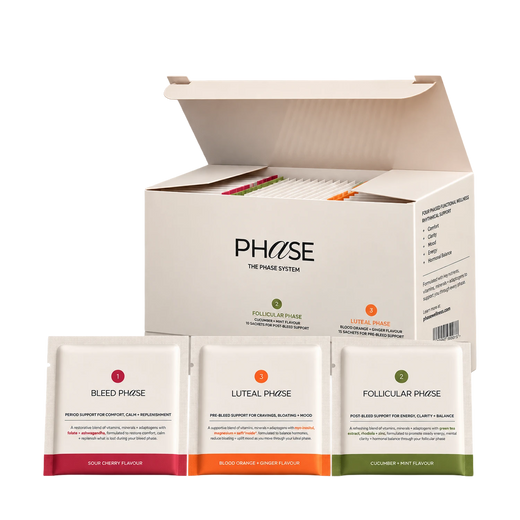
Supplements containing magnesium, ashwagandha and other ingredients are widely marketed for stress. They should not be presented as guaranteed ways to lower cortisol, treat anxiety or improve mood, and they may not be suitable with every medicine, pregnancy or health condition.
If you are considering a supplement, check the evidence for the specific ingredient and dose and ask a pharmacist or clinician if you take medication or have a medical condition.
Stress relief for women: common questions
What is the fastest way to reduce stress naturally?
There is no universal fastest method. Slow breathing, stepping away briefly, movement or talking to somebody can reduce acute tension, while persistent stress usually needs changes to the underlying situation as well.
How can I reduce stress without medication?
Sleep, exercise, talking therapies, mindfulness and practical changes can all help depending on the cause and severity. Needing professional support does not mean you have failed at natural stress management.
When should I see a GP about stress?
If stress is affecting daily life, sleep, work, relationships or your ability to cope, speak to a GP or use NHS mental-health support. Seek urgent help if you feel unable to keep yourself safe.
The bottom line
The most useful natural stress relief is usually a combination of reducing pressure where possible and supporting your body with rest, movement, connection and simple calming tools. A perfect routine is not required.
Sources
NHS Every Mind Matters: Stress
ONS: unpaid care and health outcomes