Your cycle data can reveal far more than the date of your next period
Period dates, temperatures, symptoms, fertile-window information and pregnancy-related notes can build a very detailed picture of reproductive health. That makes privacy worth checking before you hand an app months or years of intimate information.
In the UK, health data receives additional legal protection as special category data under UK GDPR. That is a strong reason to choose services that are clear about what they collect, why they use it and the controls they give you. Read the ICO guidance on special category data.
“Sharing data” can mean several different things
Privacy conversations often collapse very different activities into one alarming phrase. An app may need specialist service providers to host or process data. It may offer an optional connection to another health platform. It may use de-identified data for research with consent. Or a business may sell or use information for purposes you were not expecting.
Those are not equivalent. The useful question is not simply, “Does this app share data?” It is: what is shared, with whom, why, under what permission and what control do I keep?
Six things to check before choosing a cycle or fertility app
1. What is collected?
Look beyond your email address. Temperature, symptoms, cervical mucus, period dates, sleep and notes may all form part of the record.
2. Why is it needed?
A good privacy notice should explain which information is required to make the service work and which information is optional.
3. Who receives it?
Look for service providers, analytics partners, research partners and optional integrations rather than relying on one headline statement.
4. Is information sold?
“Sharing” and “selling” are different. Check the policy for a clear statement rather than assuming one from the other.
5. Can you revoke access?
If you connect another app or health platform, you should understand how to stop future sharing and what happens to data already transferred.
6. Can you delete or export your data?
Deletion and portability are practical signs that you retain meaningful control over your record.
Where Tempdrop stands
Tempdrop's current privacy materials make several practical points clear: it states that personal information is not sold, users have deletion options, and optional integrations are permission-based. Its policy also explains the service providers needed to operate the platform and de-identified research use with consent.
Those are concrete privacy controls a shopper can assess rather than a vague promise that privacy matters. Tempdrop also supports optional connections such as Apple Health, Health Connect and some third-party charting apps, so you decide whether you want those additional data flows.
You can read Tempdrop's privacy policy and its data questions guide directly.
What Tempdrop's published privacy controls support
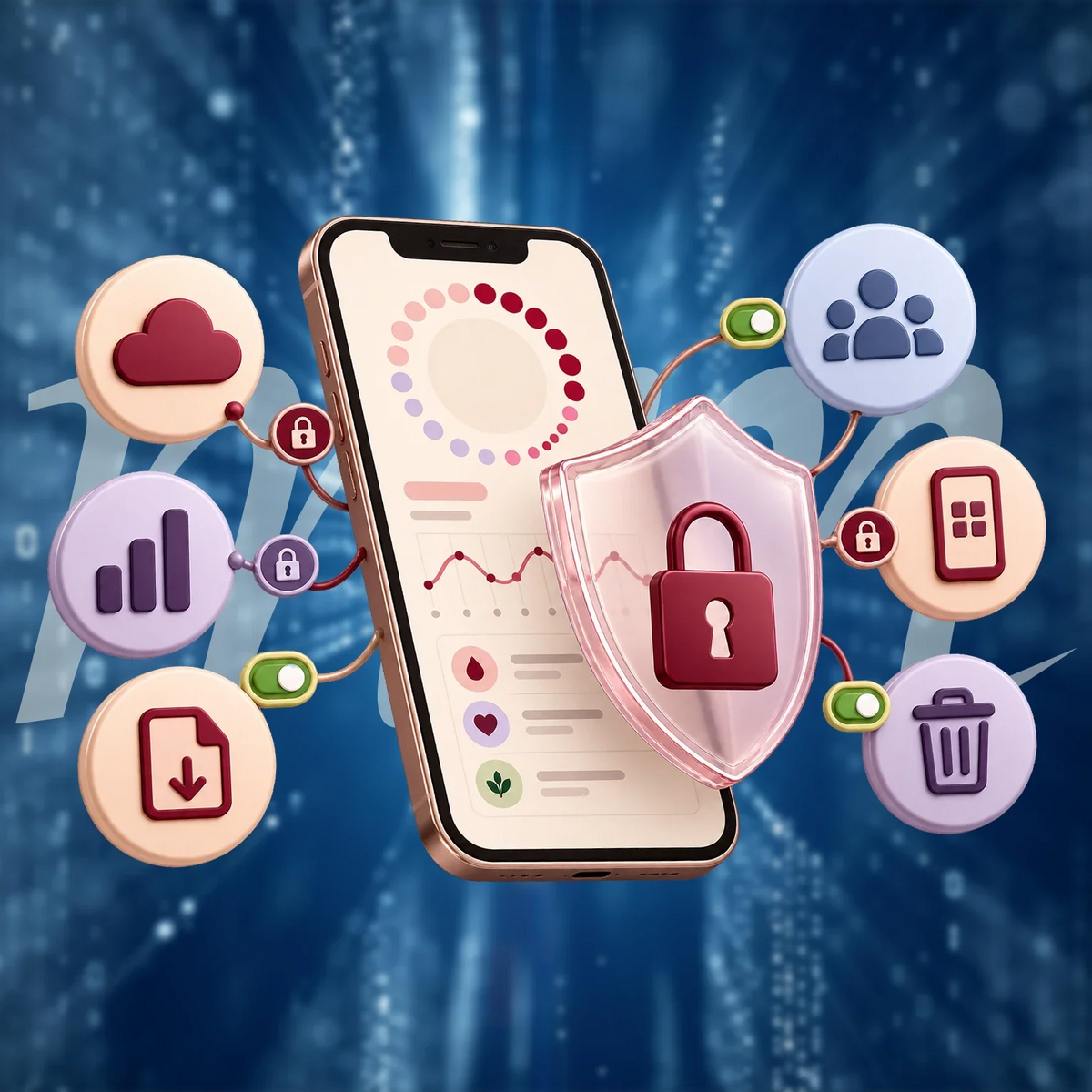
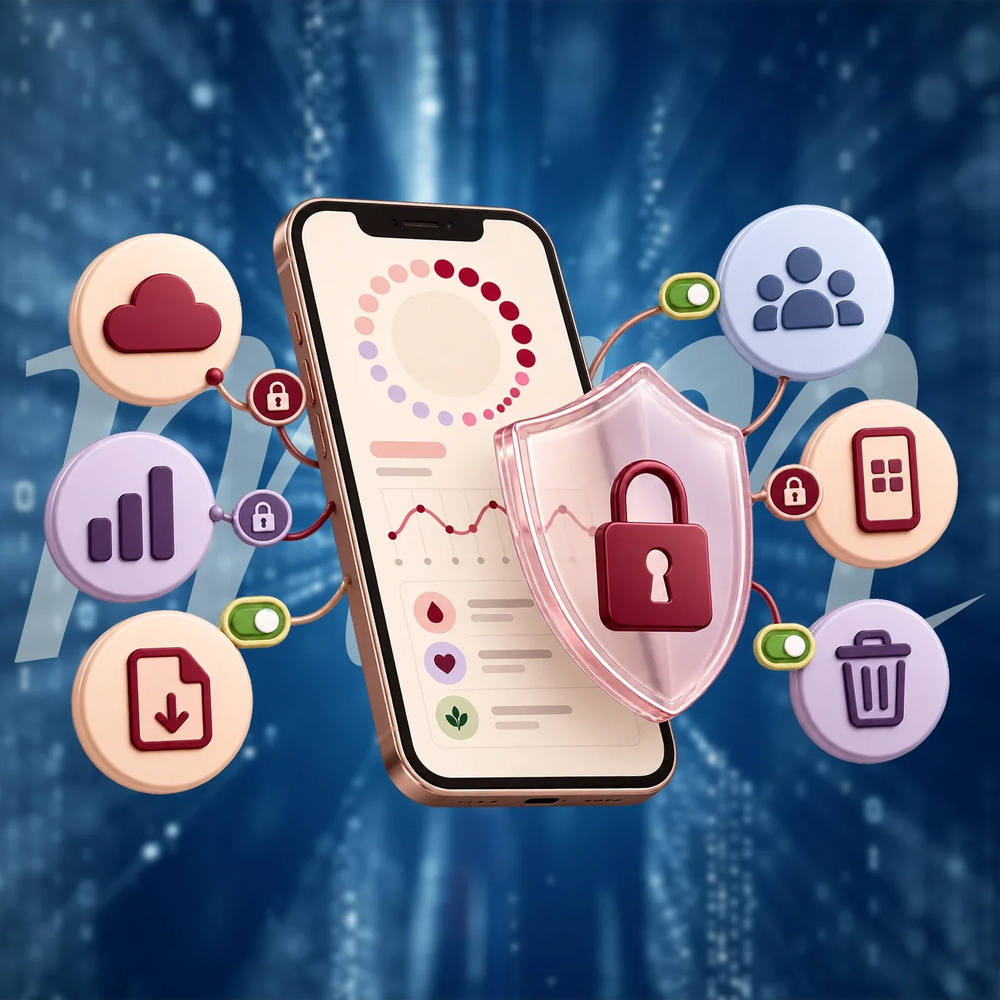
Privacy and cybersecurity are different questions. What Tempdrop publishes gives us a clear, verifiable privacy proposition: permission-based optional connections, export and deletion controls, and a stated policy of not selling personal information.
Together, those features support meaningful user control over sensitive cycle data. That is the claim worth making confidently, without needing to turn it into an unsupported promise of absolute security.
Why this matters when choosing a fertility tracker
A tracker should not only fit the way you want to measure your cycle. It should also fit the way you want your information handled. Tempdrop combines overnight temperature tracking with permission controls, export and deletion options, so privacy can be part of the buying decision rather than an afterthought.
For the difference between calendar predictions and measured cycle signals, read our guide to period tracking app accuracy.

Cycle-data privacy: quick answers
Is cycle data classed as health data?
Cycle and fertility information can reveal information about a person's health. UK GDPR gives health data additional protection as special category data.
Does Tempdrop sell personal information?
No. Tempdrop's current privacy materials state that it does not sell personal information. It also provides controls around deletion, export and optional integrations.
Does connecting Apple Health or another app change things?
Yes. An optional integration creates a new data flow. Check the permissions you grant and the privacy terms of the receiving platform as well as Tempdrop's own policy.
What is the simplest privacy check?
Ask what is collected, why it is needed, who receives it, whether it is sold, how to revoke access and whether you can delete or export your record.
The bottom line
If privacy is part of your buying decision, Tempdrop gives you concrete things to assess: a stated no-sale policy, optional permission-based integrations, and export and deletion controls. That is a stronger basis for trust than a generic promise that privacy is “important”.