An all-in-one daily blend with magnesium, inositol, vitamin B6 and 12 additional nutrients to support hormonal activity, mood, energy and healthy skin.
15 bio-active ingredients
Eases PMS symptoms
Comprehensive daily support
One scoop, every day
Optimal nutrient in every scoop
Mix anytime, anywhere
*femme do not endorse products, nor do we confirm their effectiveness; instead we recommend that you always seek advice from your GP (and your fertility clinic, especially if you are taking prescribed fertility medication) before product use.
Buy 3 for 15% off
Mix and match any 3 eligible products and save 15%.
Buy any 3 eligible products and save 15% on your one-time purchase. Subscribing? Your 15% saving is already included.
This product
Description
Gigi PMS & Hormone Balance Blend is an all-in-one daily powder developed by nutritional therapists to support women throughout the menstrual cycle. Each scoop combines 15 active nutrients, including 2,000mg inositol, 300mg magnesium, Aquamin® calcium, active vitamin B6, zinc, vitamin D, folate and dandelion root extract. It provides comprehensive nutritional support without the need to juggle multiple separate supplements.
The formula provides vitamin B6 to support normal hormonal activity and psychological function. Magnesium and vitamins B6 and C help reduce tiredness and fatigue. Zinc, biotin, riboflavin and niacin support normal skin, selenium supports normal thyroid function, and vitamins C and E, zinc and selenium help protect cells from oxidative stress. Designed for everyday use rather than only around your period, the blend comes in refreshing Lemon or Blood Orange flavours and mixes easily into water, juice or smoothies.
Suitable from 12 years of age, while trying to conceive and, according to Gigi, during breastfeeding following professional advice. Not recommended during pregnancy. If you take medication, have an existing medical condition or are under medical supervision, consult your healthcare professional before use. femme Health also recommends speaking to your GP and fertility clinic if you are taking prescribed fertility medication. Avoid unnecessarily combining with other high-dose vitamin and mineral supplements unless advised by a healthcare professional.
What's inside
1 x Gigi PMS & Hormone Balance Blend, 30 servings, in your selected Lemon or Blood Orange flavour.
Mix 1 level scoop daily into 200–400ml of water and drink after a meal.
For Lemon, one scoop is approximately 7.7g. For Blood Orange, one scoop is approximately 8g.
The powder can also be mixed into juice or a smoothie. Take every day rather than only during PMS for consistent nutritional support.
Do not exceed the recommended daily intake. Keep out of reach of young children.
Deliveries & Returns
Delivery
All orders are processed within 2 business days.
Free standard delivery on orders over £40.
Orders to Ireland are shipped via UPS and typically arrive within 3–5 working days.
Please note: While we make the necessary updates to comply with new EU packaging regulations, some products are temporarily unavailable for delivery to the Republic of Ireland. Tempdrop products are unaffected and can still be delivered as normal. We apologise for any inconvenience caused.
Returns
Tempdrop is classified as a medical device and cannot be returned or exchanged once opened. Please check sizing carefully before placing your order. This does not affect your statutory rights if the product is faulty.
Unopened items can be returned within 30 days of delivery with valid proof of purchase.
Please note:For orders shipped to Ireland, femme will pay any customs charges.
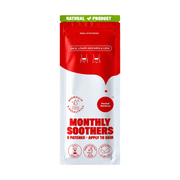
Period Harmony Monthly Soothers Warming Patches
£7.99
In stock
0
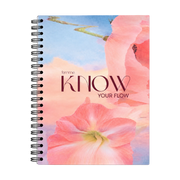
Know Your Flow Planner: A 12-week journey to understanding your cycle
£14.99
In stock
0
Tempdrop Fertility, Cycle & Ovulation Tracker | Wearable Basal Body Temperature Tracker
£229.00
In stock
0
Spread the cost with
Select a payment option to view the instalment breakdown.
Pay in 3 with Klarna
Split your purchase into 3 interest-free payments.
Payment scheduleAmount
1First payment£0.00
2Second payment£0.00
3Final payment£0.00
Total£0.00
Interest-free. Your exact payment schedule and eligibility are confirmed by Klarna at checkout. Terms apply.
Pay in 4 with Clearpay
Split your purchase into 4 interest-free payments.
Payment scheduleAmount
1First payment£0.00
2Second payment£0.00
3Third payment£0.00
4Final payment£0.00
Total£0.00
Interest-free. Your exact payment schedule and eligibility are confirmed by Clearpay at checkout. Terms apply.
Formula Highlights
15 Bio-Active Ingredients
A broad daily powder combining 15 bio-active ingredients in one PMS and hormone-support blend.
1 scoop Daily Serving
One scoop a day keeps the routine simple and can be mixed into a drink whenever suits you.
30 days Full-Month Supply
The 240g pouch provides approximately 30 daily servings for consistent month-long use.
FAQs
Do I take Gigi every day or only during PMS?
Take it every day. Gigi formulated the blend for consistent nutritional support throughout the menstrual cycle rather than only during the days immediately before your period.
How does Gigi support hormonal health?
Each serving provides 12mg of vitamin B6, which contributes to normal hormonal activity. The formula also combines magnesium, zinc, vitamin D, inositol and other nutrients to provide broader nutritional support throughout the cycle.
Does Gigi contain inositol?
Yes. Each daily scoop contains 2,000mg of inositol, making it one of the largest individual ingredients in the formula alongside magnesium and Aquamin®.
How much should I take each day?
Take one level scoop daily after food, mixed into 200–400ml of water. A scoop is approximately 7.7g for Lemon or 8g for Blood Orange.
How long does one tub last?
Each tub provides 30 daily servings, giving approximately 30 days' supply when taking one scoop per day.
Can I take Gigi while on the contraceptive pill?
Gigi states that the blend can be taken alongside hormonal contraception such as the pill. However, if you take prescription medication, it is sensible to check with your GP, pharmacist or another appropriate healthcare professional before introducing a new supplement.
Can I take Gigi while trying to conceive?
Gigi states that the blend is suitable while trying to conceive and provides 400µg of folate per daily serving. If you are actively trying for a baby or undergoing fertility treatment, check your overall supplement plan with your GP or fertility clinic.
Can I take Gigi during pregnancy or breastfeeding?
Gigi states that the PMS & Hormone Balance Blend is not recommended during pregnancy. The manufacturer considers it suitable during breastfeeding but recommends consulting your healthcare professional for personalised advice.
Why can Gigi be useful as part of a PMOS routine?
PMOS can affect hormonal, metabolic and reproductive health in different ways. Gigi combines 15 nutrients in one daily blend, including magnesium, zinc, vitamin D, vitamin B6 and inositol, providing broad nutritional support for women managing the wider demands of PMOS.
Is supplementation enough to manage PMOS?
No. Gigi recommends a wider approach to PMOS that includes balanced nutrition, regular movement, good sleep and stress management alongside appropriate medical care. The PMS & Hormone Balance Blend can complement these habits by providing consistent daily nutritional support.
PCOS is now PMOS: what the newer terminology means, why metabolic health is part of the conversation, and evidence-led ways to support symptoms, fertility and long-term health.
Coffee and hormones explained: caffeine during the luteal phase, periods and menopause, how timing can affect sleep and symptoms, and why no coffee can 'balance' hormones.
Are period tracking apps accurate for ovulation? We look at the limits of calendar predictions, what BBT and LH tracking can add, and when an app is still useful.
Gigi PMS & Hormone Balance Blend is an all-in-one daily powder developed by nutritional therapists to support women throughout the menstrual cycle. Each scoop combines 15 active nutrients, including 2,000mg inositol, 300mg magnesium, Aquamin® calcium, active vitamin B6, zinc, vitamin D, folate and dandelion root extract. It provides comprehensive nutritional support without the need to juggle multiple separate supplements.
The formula provides vitamin B6 to support normal hormonal activity and psychological function. Magnesium and vitamins B6 and C help reduce tiredness and fatigue. Zinc, biotin, riboflavin and niacin support normal skin, selenium supports normal thyroid function, and vitamins C and E, zinc and selenium help protect cells from oxidative stress. Designed for everyday use rather than only around your period, the blend comes in refreshing Lemon or Blood Orange flavours and mixes easily into water, juice or smoothies.
Suitable from 12 years of age, while trying to conceive and, according to Gigi, during breastfeeding following professional advice. Not recommended during pregnancy. If you take medication, have an existing medical condition or are under medical supervision, consult your healthcare professional before use. femme Health also recommends speaking to your GP and fertility clinic if you are taking prescribed fertility medication. Avoid unnecessarily combining with other high-dose vitamin and mineral supplements unless advised by a healthcare professional.