A targeted approach to menopause wellness
Menopause is a natural stage of life, but the changes around it can feel anything but simple. Hot flushes, disrupted sleep, low energy, changes in mood and vaginal dryness can arrive at different times and with very different levels of intensity.
That is why a useful approach to menopause wellness is rarely about finding one product for every symptom. It is about understanding what is changing, supporting the foundations of health and choosing targeted support where it genuinely fits.
For this guide, femme spoke with Katie O'Connell, Nutritional Therapist and Mycotherapy Consultant at Hifas da Terra UK, about nutrition, lifestyle, functional mushroom formulations and intimate care during perimenopause and menopause.

Katie O'Connell
Dip.(CNM), MBANT, CNHC reg.
Nutritional Therapist and Mycotherapy Consultant
Hifas da Terra UK
Optimising menopausal wellness starts with the individual
Perimenopause and menopause are shared biological transitions, but the experience is highly individual. Some women mainly notice cycle changes, while others are more affected by sleep, energy, temperature regulation, mood, cognitive changes or intimate discomfort.
The most useful plan is therefore one that responds to your own symptoms, medical history, lifestyle and priorities rather than assuming every woman needs the same routine.
Perimenopause and menopause symptoms can change over time
During perimenopause, oestrogen and progesterone can fluctuate before ovarian hormone production settles at a lower level after menopause. Those changes can affect periods, temperature regulation, sleep, mood and the tissues of the vagina and urinary tract.
For some women, irregular periods during perimenopause are the first noticeable sign. Others may first recognise persistent sleep disruption, hot flushes or changes in intimate comfort. If you are unsure whether symptoms fit the transition, our wider perimenopause and menopause range brings together support across different needs.
It is also worth remembering that not every new symptom should automatically be attributed to menopause. Persistent, severe or unusual symptoms deserve proper assessment, particularly if you experience unexplained bleeding, significant pelvic pain or a major change in your general health.
A personalised approach to menopause support
Targeted products can sit within a menopause wellness routine, but they work best as part of a broader approach. Katie's advice centres on foundations that support health throughout midlife as well as during the menopause transition.
- Nutrition: prioritise a varied diet with adequate protein, fibre, calcium, vitamin D and unsaturated fats. Our guide to the best foods for menopause explains where those nutrients fit.
- Movement: regular resistance and weight-bearing exercise can support muscle and bone health, while everyday activity helps cardiovascular and metabolic health.
- Sleep and stress: consistent routines, realistic recovery and addressing persistent sleep problems matter. Read more about sleep and women's health.
- Appropriate healthcare: supplements and topical products can complement care, but they should not replace conversations about persistent symptoms, HRT or other evidence-based treatment options where appropriate.

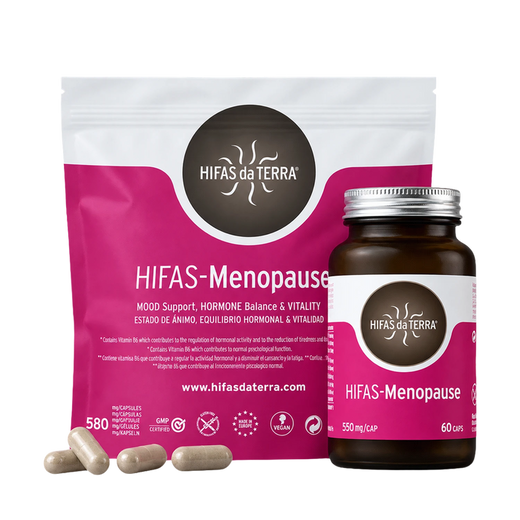
HIFAS Menopause Capsules
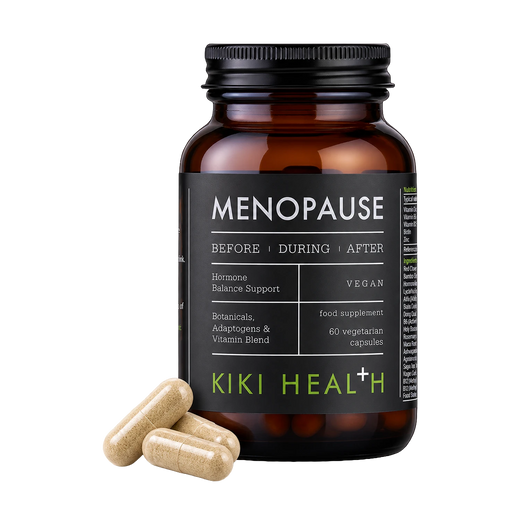
£49HIFAS Menopause Capsules are a hormone-free daily food supplement combining Reishi, Lion's Mane and Cordyceps extracts with KSM-66® ashwagandha, green tea extract, five probiotic strains and selected vitamins and minerals.
The nutritional claims matter more than broad promises. Vitamin B6 contributes to the regulation of hormonal activity, normal psychological function and the reduction of tiredness and fatigue. Vitamin D contributes to the maintenance of normal bones and muscle function, while zinc contributes to the maintenance of normal bones and protection of cells from oxidative stress.
Hifas da Terra also references a six-month clinical study of the formulation. As with any product-specific research, that should be treated as one part of the evidence rather than a guarantee that a supplement will relieve menopause symptoms for everyone.
Vaginal dryness during menopause deserves targeted care
Falling oestrogen levels can affect vaginal and vulval tissues, making dryness, irritation and discomfort more common during perimenopause and menopause. This is sometimes grouped under genitourinary syndrome of menopause, which can also include urinary symptoms and discomfort during sex.
Vaginal moisturisers and lubricants are different tools. A moisturiser is designed for regular hydration, while a lubricant is typically used to reduce friction during intimacy. Some people may also benefit from local vaginal oestrogen after discussion with a healthcare professional. Our detailed guide to vaginal dryness in perimenopause and menopause explains the options in more detail.
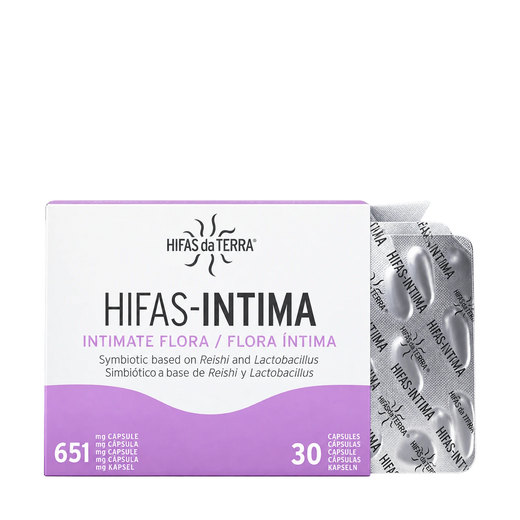
HIFAS Intima Gel Vaginal Moisturiser
£20HIFAS Intima Gel is a fast-absorbing intimate moisturiser and lubricant designed to help relieve vaginal and vulval dryness, irritation and discomfort.
Its formula combines Herizumib® Lion's Mane extract, Bioecolia® prebiotic, hyaluronic acid, aloe vera and Centella asiatica. The focus here is local hydration and comfort rather than systemic menopause support, which makes it a more targeted option when intimate dryness is the main concern.
The gel is compatible with condoms and has been developed under dermatological and gynaecological control. For a wider view of options, explore femme's vaginal health products and intimate health and desire range.

When to seek medical advice: vaginal dryness is common during menopause, but persistent symptoms, unusual discharge, bleeding, significant pain, recurrent urinary symptoms or suspected infection should be discussed with a healthcare professional rather than treated as routine dryness.
Hifas da Terra and functional mushroom formulations
Hifas da Terra is a European biotechnology company specialising in mushroom-derived ingredients and mycotherapy research. The company was founded by Dr Catalina Fernández de Ana Portela and focuses on cultivation, formulation, quality control and traceability.
The Hifas range at femme extends beyond menopause support into intimate wellbeing and general wellness. Functional mushroom ingredients are part of several formulations, but they should not be presented as a treatment for menopause itself. The role of each product depends on its full formulation and the evidence behind its specific ingredients.
Menopause supplements are one part of the picture
There is no single correct way to manage menopause. Some women need very little intervention, some choose lifestyle changes and targeted products, and others benefit from prescription treatment such as HRT. These approaches are not mutually exclusive.
Food supplements should not be used as a substitute for a varied, balanced diet and healthy lifestyle. If you take medication, have an existing medical condition, are receiving fertility treatment, are pregnant or breastfeeding, or are unsure whether a supplement is suitable for you, speak to a healthcare professional before use.
The aim of good menopause support is not to force every symptom into the same solution. It is to understand what is affecting you, use evidence appropriately and choose the level of support that matches your needs.
Frequently Asked Questions
What does menopause wellness mean?
Menopause wellness is a broad approach to supporting health during perimenopause and after menopause. It can include nutrition, movement, sleep, stress management, intimate care, symptom-specific products and medical treatment where appropriate. The right mix depends on the individual.
What is a hormone-free menopause supplement?
A hormone-free menopause supplement does not contain oestrogen, progesterone or other hormone therapy. Products can instead contain vitamins, minerals, botanicals, probiotics or other ingredients. Hormone-free does not automatically mean suitable for everyone, so check the formulation and seek advice if you take medication or have a medical condition.
Can functional mushrooms treat menopause symptoms?
Functional mushrooms should not be described as a treatment for menopause. HIFAS Menopause includes mushroom extracts as part of a wider formulation alongside ashwagandha, green tea, probiotics, vitamins and minerals. Any benefit should be considered in relation to the complete formulation and the evidence for its ingredients.
What can help vaginal dryness during menopause?
Options can include vaginal moisturisers for regular hydration, lubricants to reduce friction during intimacy and, for some people, local vaginal oestrogen prescribed or recommended through a healthcare professional. Persistent pain, bleeding, unusual discharge or recurrent urinary symptoms should be assessed rather than assumed to be routine menopause-related dryness.
Can supplements replace HRT or medical care?
No. Supplements and topical products can form part of a personal menopause wellness routine, but they are not a substitute for medical assessment or evidence-based treatment when that is needed. If symptoms are affecting quality of life, discuss the full range of options with a qualified healthcare professional.
Build your menopause wellness routine around your needs
Whether you are looking for nutritional support, help with vaginal dryness or a broader menopause care routine, start with the symptoms and priorities that matter to you rather than trying to solve everything at once.