
Vaginal dryness in perimenopause and menopause
Vaginal dryness is a common symptom during perimenopause and after menopause. Falling and fluctuating oestrogen can make vaginal and vulval tissues thinner, drier and less elastic, which may cause burning, irritation, pain during sex and sexual wellbeing or urinary symptoms.
The symptom is treatable. Options include vaginal moisturisers, lubricants and, for many people, local vaginal oestrogen. You do not simply have to put up with it.
What causes vaginal dryness during perimenopause?
Oestrogen helps maintain the thickness, elasticity and lubrication of tissues in and around the vagina. As levels change around menopause, those tissues can become drier and more fragile.
Menopause is not the only cause. Breastfeeding, some medicines, lack of arousal, certain health conditions and irritating products can also contribute, so persistent symptoms are worth discussing rather than automatically assuming hormones are responsible.
Vaginal dryness treatment options
Vaginal moisturisers
These are designed for regular use inside the vagina to help maintain moisture. They are different from ordinary body moisturisers, which should not be used internally.
Lubricants
Lubricants reduce friction during sex or other intimate activity. If you use latex condoms, check product compatibility because oil-based products can damage latex.
Vaginal oestrogen
NICE recommends offering vaginal oestrogen for genitourinary menopause symptoms. It acts locally and can be used alongside moisturisers or lubricants.
Other prescription treatments
If vaginal oestrogen is unsuitable, not tolerated or does not help enough, a healthcare professional can discuss other options.
What is genitourinary syndrome of menopause?
Vaginal dryness can sit within a wider group of genital and urinary symptoms often called genitourinary syndrome of menopause, or GSM. Symptoms can include dryness, burning, irritation, pain during sex, urinary urgency or recurrent urinary tract infections.
Unlike hot flushes, these symptoms do not necessarily improve on their own with time, which is another reason to discuss treatment if they are affecting you.
Vaginal dryness and painful sex
Dryness can increase friction and make penetration uncomfortable or painful. Using a suitable lubricant can help immediately, while a vaginal moisturiser or prescribed vaginal oestrogen may address ongoing symptoms.
Pain during sex can also have other causes. If discomfort persists despite treating dryness, speak to a GP or sexual-health professional rather than assuming you simply need more lubricant. Our article on emotional and physical intimacy also looks at how physical comfort can affect closeness.
Vaginal dryness in menopause: common questions
Is vaginal dryness normal in perimenopause?
It is common, but “common” does not mean you have to tolerate it. Treatment and self-care options are available.
What is the best treatment for vaginal dryness in menopause?
That depends on symptoms and preferences. Lubricants help reduce friction during sex, moisturisers are used regularly for moisture, and vaginal oestrogen is an effective local treatment recommended by NICE for genitourinary menopause symptoms.
Can vaginal dryness cause bleeding?
Fragile tissue can contribute to spotting, but bleeding after sex, between periods or after menopause should be checked rather than automatically blamed on dryness.
Does drinking more water cure vaginal dryness?
General hydration supports wellbeing, but drinking more water does not replace local treatment for menopause-related vaginal tissue changes.
When to see a GP
Seek medical advice if vaginal dryness has lasted for a few weeks and self-care is not helping, if it affects daily life, or if you have unusual discharge or bleeding.
Bleeding after sex, between periods or after menopause should be assessed. New severe pain or recurrent urinary symptoms also deserve medical advice.
Intimate-care options at femme
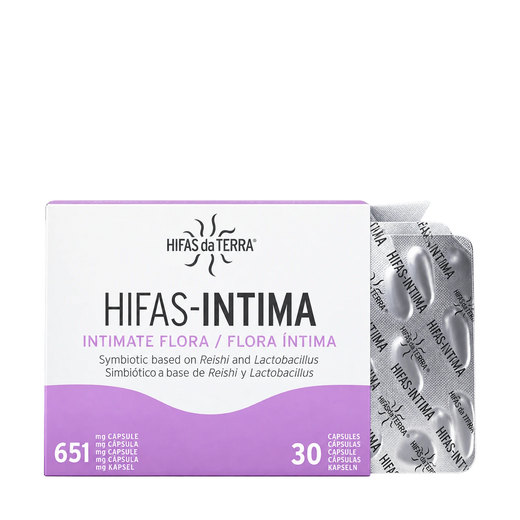
For external intimate moisture and lubrication, HIFAS Intima Gel Vaginal Moisturiser is one option in the femme range. For lubricants and other intimate skincare, explore our Bladder, Intimate Health & Desire collection. Products can help with comfort and friction, but they should not delay medical advice for persistent or concerning symptoms.
Sources
NHS: Vaginal dryness
NICE: Menopause – genitourinary symptoms