Hot flashes, mood swings, and unpredictable weight gain don't have to define this phase of life. Interestingly, Japanese women report far fewer menopause symptoms, and a growing body of research points to diet as a key reason why.
While Western women often describe menopause as disruptive and difficult, many Japanese women move through it with barely a mention of hot flashes at all. There's even no direct translation for "hot flash" in traditional Japanese vocabulary; the closest term, konenki, simply means "renewal years." That difference in language reflects a real difference in lived experience, and researchers increasingly believe diet is a major reason why.
The Science Behind the Difference
For the wider nutrition picture, our guide to the best foods for menopause looks beyond one national diet and focuses on protein, fibre, calcium, vitamin D and heart health. It also helps separate useful dietary patterns from stronger “hormone-balancing” claims.
Studies comparing Japanese and Western populations have found that Japanese women report significantly fewer vasomotor symptoms (hot flashes and night sweats) during menopause. Several theories point to the traditional Japanese diet, which is high in soy, fish, seaweed, and fermented foods, as a key protective factor, working through its effects on hormone metabolism, inflammation, and gut health (Source).
Key Elements of the Japanese Diet
The traditional Japanese diet is rich in nutrients that help balance hormones and ease menopause symptoms:
Soy Products
Foods like tofu, edamame, and miso are high in phytoestrogens, plant compounds that weakly mimic oestrogen in the body. As oestrogen levels decline during menopause, phytoestrogens may help soften the drop and reduce the frequency and intensity of hot flashes. Japanese diets typically include 2 to 3 servings of soy per day, far more than the average Western diet.
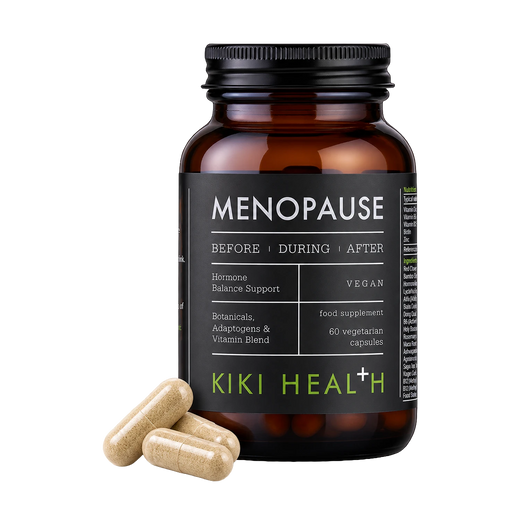
💡 Not keen on cooking miso every day? KIKI Health Menopause Capsules are 100% active with no fillers and are formulated to ease hot flushes naturally and support mood and sleep, offering a convenient way to get that phytoestrogen-like support without a kitchen overhaul.
Fish and Omega-3 Fatty Acids
Fatty fish like salmon, mackerel, and sardines are dietary staples in Japan. Omega-3s support brain health, help regulate mood, and have anti-inflammatory effects that may ease the irritability and low mood some women experience during perimenopause and menopause.
Seaweed
Nori, wakame, and kombu are packed with iodine, calcium, and magnesium. These support thyroid function (which regulates metabolism) and bone density, both increasingly important as oestrogen, which normally protects bone strength, declines.
Green Tea
Green tea is rich in catechins, powerful antioxidants that help combat inflammation and oxidative stress. Regular green tea drinkers in Japan often consume several cups daily as part of routine meals, not as a supplement.
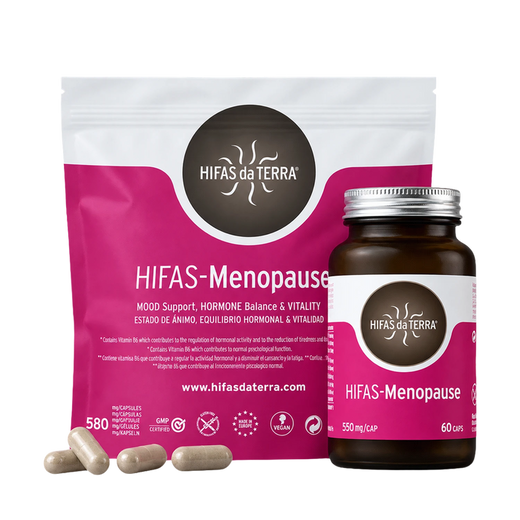
💡 HIFAS Menopause Capsules combine green tea extract with reishi, cordyceps, and ashwagandha (KSM-66) to support normal hormonal activity and reduce fatigue, making them an easy daily complement to a Japanese-style diet.
Fermented Foods
Miso and natto (fermented soybeans) are rich in live cultures that support a healthy gut microbiome. Emerging research suggests gut health plays a role in how the body metabolises and recycles hormones like oestrogen, making fermented foods a quiet but important part of the puzzle.
What a Day of Japanese-Inspired Eating Might Look Like
- Breakfast: Miso soup with tofu and wakame, a small bowl of rice, grilled fish
- Lunch: Edamame, a soba noodle salad, pickled vegetables
- Snack: Green tea and a handful of edamame or roasted seaweed snacks
- Dinner: Grilled salmon, steamed greens, a small portion of natto or miso-glazed vegetables
You don't need to eat this way every day to see benefits. Even swapping in 2 to 3 of these elements a few times a week can make a meaningful difference over time.
Common Questions
Menopause is broader than food alone. If your cycle is becoming less predictable, our guide to irregular periods during perimenopause explains what can change. For other parts of the transition, see our evidence-led article on vaginal dryness in perimenopause and menopause, our look at positive changes and healthy ageing through menopause, or use the practical femme Menopause Guide as a broader starting point.
Do I need to eat like this every day to notice a difference?No. Consistency over time matters more than perfection. Many women notice a difference after a few weeks of regularly including soy, oily fish, and green tea.
Can I get these benefits from a supplement instead of overhauling my diet?Yes, to an extent. Targeted supplements can offer a concentrated, convenient source of the same compounds, which is useful for anyone who doesn't want to (or can't easily) restructure their meals around Japanese staples.
Is this diet safe alongside HRT or other menopause treatments?Dietary changes are generally considered complementary to medical treatment, but always check with your GP or menopause specialist before combining supplements with prescribed treatments.
Pairing Diet With the Right Support: femme's Menopause Range
Food is a powerful foundation, but menopause affects more than just hot flashes. Sleep, mood, bladder health, and intimate wellbeing can all shift too. femme's menopause collection is built around that full picture, so you can layer in support wherever you need it most:
For hot flushes, mood & sleep KIKI Health Menopause Capsules, £30. 100% active with no fillers, formulated to ease hot flushes naturally while supporting mood and sleep. The closest supplement match to the soy and phytoestrogen benefits covered above.

For hormone balance & fatigue HIFAS Menopause Capsules, £49. Combines green tea extract with reishi, cordyceps, lion's mane and ashwagandha (KSM-66) to support normal hormonal activity, ease fatigue, and support psychological wellbeing. A natural pairing with the green tea and fermented-food benefits mentioned earlier.

For stress & cortisol balance HIFAS Equilibrium Capsules, £49. Helps regulate cortisol levels, balance hormones, and improve sleep quality. Useful for anyone whose menopause symptoms are compounded by stress or disrupted sleep.

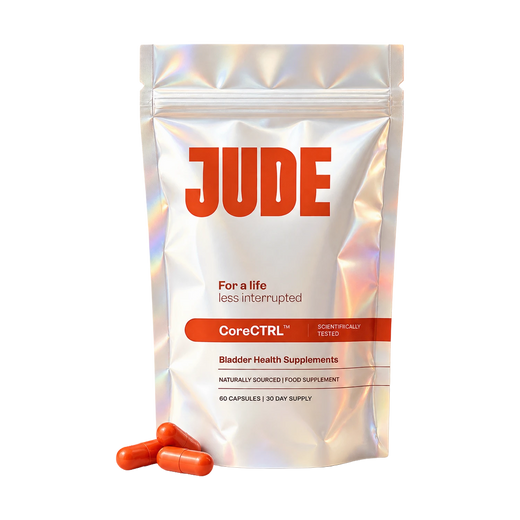
For bladder health Jude CoreCTRL™ Bladder Health Supplement, £39.50. Supports muscle strength and endurance and strengthens the brain-bladder connection, addressing a symptom that's rarely talked about but very common in midlife. Voted UKs Number 1 Bladder Health Supplement.

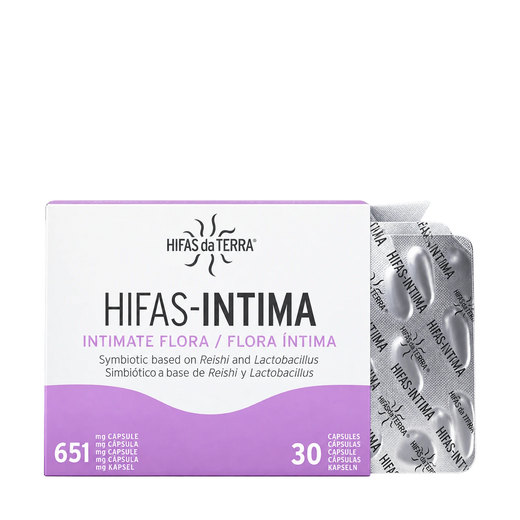
For intimate & vaginal health HIFAS Intima Vaginal Prebiotic and Probiotic, £35. Supports healthy vaginal flora, microbiome balance, and mucous membrane health, all of which can be affected by declining oestrogen.

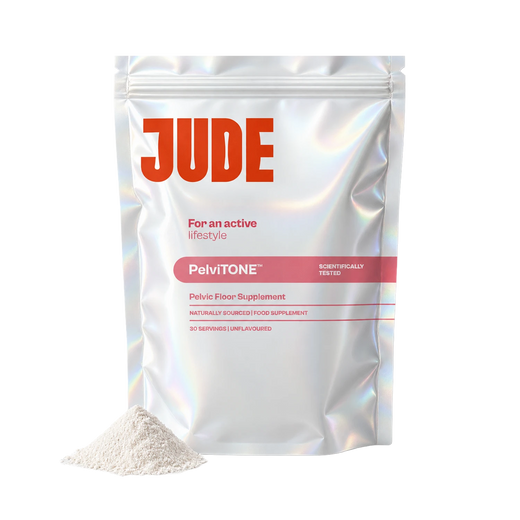
For pelvic floor strength Jude PelviTONE Pelvic Floor Strength Supplement, £34. Supports pelvic floor strength, muscle endurance, and connective tissue health. A targeted daily formula with collagen, creatine and hyaluronic acid, designed to support pelvic floor strength, connective tissue and muscle function.

Bringing It Together
You don't have to overhaul your kitchen overnight. Small, consistent changes, like a bit more soy, oily fish, and green tea, combined with targeted support can make a real difference to how you experience this phase of life.
Shop the Full Menopause Range →
Trusted by 14,000+ women · 4.8★ average rating · Free shipping on orders over £40 · 30-day returns · Buy 3 & Save 15%