Using Tempdrop for overnight BBT tracking
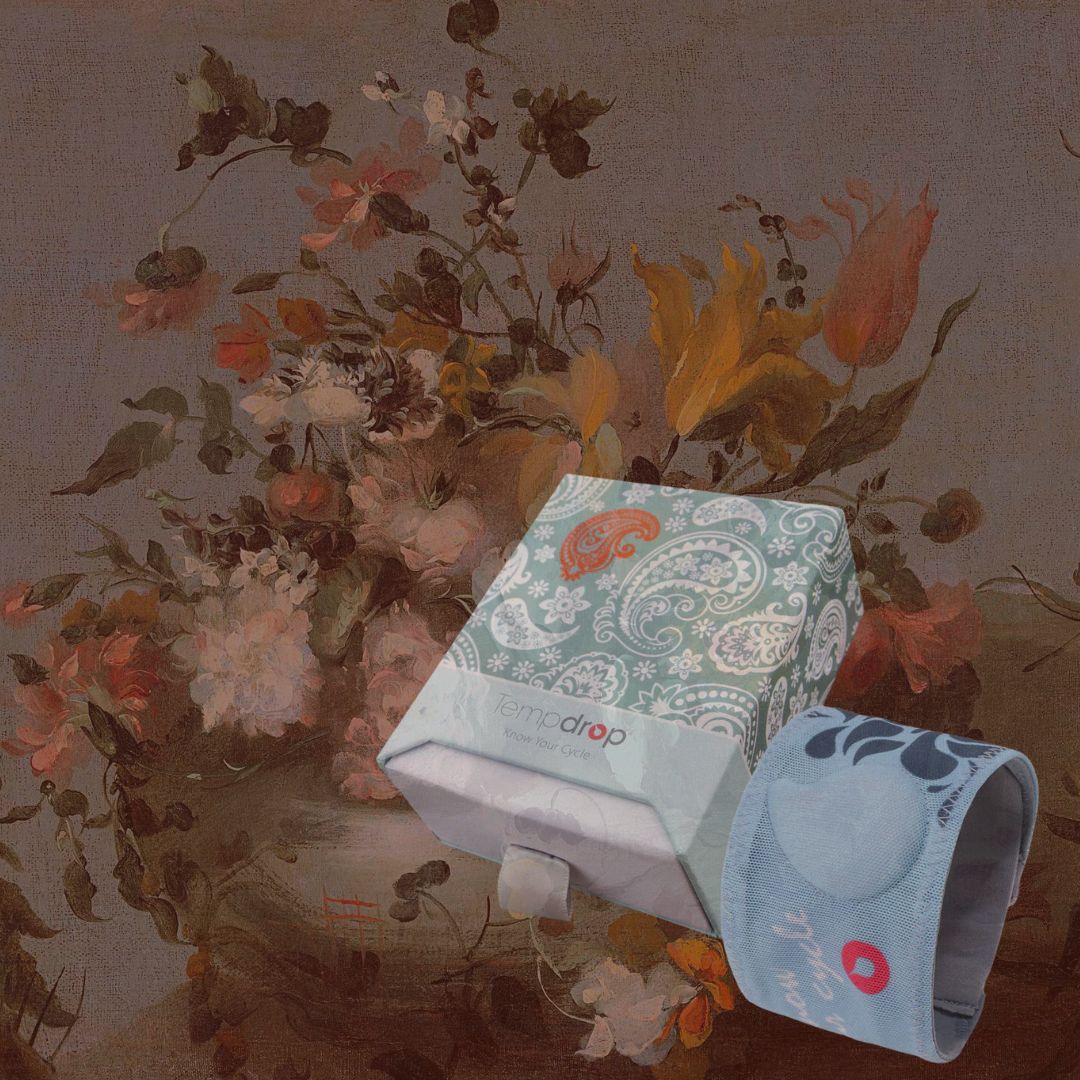
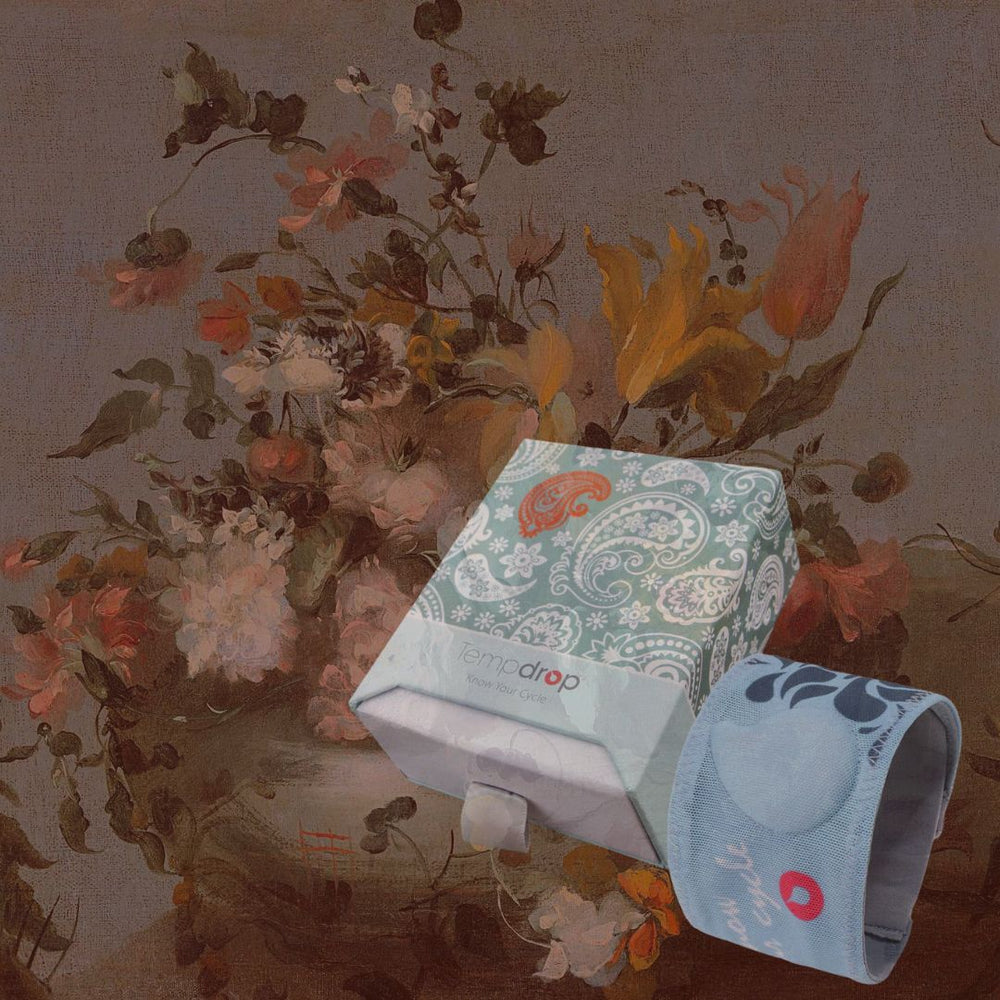
Tempdrop is a wearable fertility tracker designed to collect temperature data while you sleep. Its main practical difference from a manual basal thermometer is that you do not need to wake at roughly the same time every morning and take a reading before moving.
That can make overnight BBT tracking particularly useful for shift workers, parents, people with interrupted sleep and anyone who struggles to maintain a manual morning routine.
For the general science behind BBT, use our complete BBT guide.
How does Tempdrop work?
Tempdrop is worn on the upper arm during sleep. It collects overnight temperature and movement data, then processes those readings into a nightly temperature value for cycle charting in the app.
The current Tempdrop app includes temperature trend charts, period and symptom logging, ovulation prediction and confirmation, fertile-window forecasts and cycle-pattern tools. Some enhanced features may depend on the plan or subscription in use.
Who may benefit from overnight BBT tracking?
Shift workers
Variable wake times can make traditional morning BBT charting difficult. Overnight collection removes the need for one fixed waking measurement.
Interrupted sleepers
Parents, carers and people who wake during the night may find automated collection easier to maintain than a strict manual routine.
People trying to conceive
A sustained temperature rise can support retrospective confirmation that ovulation probably occurred. Temperature should be combined with real-time fertility signs where appropriate.
People with irregular cycles
Long-term charting can help reveal whether repeat temperature patterns are appearing. Tempdrop does not diagnose PCOS or PMOS or another cause of irregular cycles.
Tempdrop vs a manual BBT thermometer
A manual thermometer is inexpensive and can work very well when you can take readings consistently. Tempdrop costs more, but automates overnight collection and can be easier to sustain when sleep or waking times vary.
Neither method turns BBT into an exact ovulation timestamp. For a detailed comparison, see our BBT wearables vs thermometers guide.
What can Tempdrop tell you?
- your overnight temperature trend
- whether a sustained post-ovulation temperature shift appears
- how your temperature pattern changes across repeated cycles
- period and symptom patterns when you log them in the app
It cannot diagnose infertility, PCOS/PMOS, endometriosis, thyroid disease or low progesterone from a temperature chart alone.
Tempdrop for trying to conceive
BBT-style temperature tracking is mainly retrospective, so it is most useful for confirming that ovulation is likely to have happened rather than identifying the fertile window in real time. Cervical mucus or LH testing can add earlier information.
If you are comparing overnight temperature tracking with at-home urine hormone testing, our Tempdrop vs Mira comparison explains how the two approaches differ.
Our separate guide to using Tempdrop when trying to conceive explains how those signals fit together.
Tempdrop overnight tracking: common questions
Do I have to wake at the same time with Tempdrop?
No. The main point of overnight collection is that it does not rely on one manual reading at a fixed wake time.
Is Tempdrop more accurate than a BBT thermometer?
Not automatically. Its strongest practical advantage is consistent automated collection. A correctly used basal thermometer can also produce useful cycle charts.
Can Tempdrop predict ovulation?
The app can provide fertility-window and ovulation predictions, but predictions are estimates. Temperature itself is better at supporting retrospective confirmation of an ovulatory shift.
Is Tempdrop only for fertility?
It is designed around cycle and fertility tracking, but people may also use it simply to understand temperature and symptom patterns across their menstrual cycle.
Tempdrop Fertility, Cycle & Ovulation Tracker
For people who want BBT-style temperature data without building their morning around a thermometer.
VIEW TEMPDROP
The bottom line
Tempdrop's main value is automation. If manual morning BBT is difficult because your sleep or wake time changes, an overnight wearable can remove that friction while still giving you a temperature pattern to interpret across the cycle.