Perimenopause: a new beginning, not an ending
Perimenopause is often viewed as a challenging phase, associated with hot flushes, mood changes, fatigue and changing periods. But it does not need to be framed only as loss.
It is also important to be accurate: perimenopause does not mean fertility has ended. Fertility declines with age and ovulation may become less predictable, but pregnancy remains possible until menopause is reached.
Can you reverse perimenopause?
No. Perimenopause is a natural transition towards menopause and it cannot be reversed or permanently stopped. Hormone levels fluctuate as ovarian function changes with age, and no diet, supplement or lifestyle programme can return the reproductive system to an earlier life stage.
What can change is how symptoms are managed. HRT, non-hormonal treatments, sleep support, exercise, nutrition and treatment for specific symptoms can all make perimenopause more manageable. Fertility also declines with age, but pregnancy can still happen before menopause.
Can perimenopause symptoms go away?
Symptoms can improve, change or come and go over time. Treatment can also reduce symptoms significantly. Improvement is not the same as reversing the underlying transition.
Embrace perimenopause as a reset
Perimenopause is a natural transition and can be a prompt to reflect on health, priorities and the support you need. That does not mean symptoms should be romanticised or endured without treatment.
For a fuller evidence-based overview, read our guide to perimenopause.
1. Reclaim your health and wellbeing
Nutrition
A balanced menopause diet with adequate calcium, vitamin D, protein, fibre, fruit and vegetables supports general health, including bone and cardiovascular health. There is no single “menopause diet” you need to follow.
Movement
Regular activity, including resistance and weight-bearing exercise, can support muscle, bone and heart health. Pick activities that fit your body and routine.
2. Prioritise mental and emotional wellbeing
Perimenopause can affect mood, sleep and concentration, but not every emotional difficulty should automatically be blamed on hormones.
- Mindfulness, breathing exercises or journalling may help some people manage stress.
- Therapy or counselling can be useful when anxiety, low mood or life changes feel difficult to navigate.
- If symptoms are persistent or affecting daily life, talk to a healthcare professional about treatment options rather than relying on self-care alone.
3. Shift the narrative without denying the hard parts
Some women feel a sense of freedom as they move through menopause. Others find the transition physically or emotionally difficult. Both experiences are valid.
Perimenopause itself can still involve periods, PMS-like symptoms and the possibility of pregnancy. The “no more periods” stage comes later, once menopause has been reached.
4. Harness the power of community
More women are talking openly about perimenopause and menopause, which can make symptoms feel less isolating.
- Support networks: friends, groups and communities can help you compare experiences without assuming everybody’s journey is the same.
- Reliable information: use NHS, NICE and qualified menopause professionals for treatment decisions rather than relying solely on social media anecdotes.
5. Make room for confidence and clarity
Perimenopause can coincide with a stage of life when priorities are changing. It may be a chance to revisit relationships, work, health, hobbies or goals that have been pushed aside.
You do not have to “make menopause positive” to do it well. Sometimes empowerment simply means understanding your options and asking for help when you need it.
Treatment is part of the positive picture too
Lifestyle changes can support health and wellbeing, but they are not the only tools available. NHS guidance says HRT can help with symptoms including hot flushes, night sweats, sleep problems, mood symptoms and vaginal dryness, and other treatments are available if HRT is not suitable or not wanted.
You do not need to wait until symptoms are severe or until your periods have stopped completely before discussing treatment.
Conclusion: a new chapter, on your terms
Perimenopause does not have to be feared, and it does not have to be celebrated either. It is a transition with real physical changes, real treatment options and the potential to rethink what you want from the years ahead.
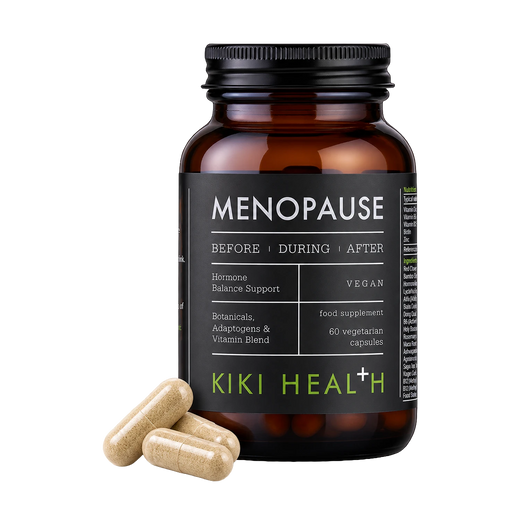
Approach it with curiosity, good information and the freedom to seek support when symptoms are getting in the way. For practical products and resources, explore our perimenopause and menopause support range.
Sources
NHS: menopause and perimenopause symptoms
NHS: treatment for menopause and perimenopause