The Journal
hCG in Blood: How Pregnancy Testing Works & Why Blood Tests Are More Accurate
hCG in Blood: How Pregnancy Testing Works & Why Blood Tests Are More Accurate Pregnancy tests are an essential tool for confirming pregnancy, and they work by detecting the hormone human chorionic gonadotropin (hCG). This hormone is produced by the placenta shortly after a fertilised egg implants in the uterus. While both urine and blood tests can detect hCG, blood tests are significantly more accurate. Let’s explore why. What is hCG? Human chorionic gonadotropin (hCG) is a hormone that plays a vital role in pregnancy. It is secreted by cells in the developing placenta and helps maintain the corpus luteum, which in turn supports progesterone production to sustain the pregnancy. hCG levels rise rapidly in early pregnancy, doubling approximately every 48–72 hours. How Pregnancy Tests Work Pregnancy tests, whether at-home urine tests or laboratory blood tests, work by detecting hCG. However, the method of detection and accuracy differ between the two types of tests. Urine Pregnancy Tests Urine pregnancy tests are the most commonly used home-based tests. They work by detecting hCG in urine through a chemical reaction that produces a visible indicator, such as a line or a digital readout. Pros: Convenient, affordable, and provide quick results. Cons: Less sensitive, may yield false negatives if taken too early or if urine is diluted. Blood Pregnancy Tests Blood pregnancy tests are performed normally in a medical setting and can detect much lower levels of hCG compared to urine tests. However, the NG Precision all in one pregnancy test can now be used at home. There are two types: Qualitative hCG Blood Test – This test simply confirms whether hCG is present or not, much like a urine test. Quantitative hCG Blood Test (Beta hCG Test) – This test measures the exact amount of hCG in the blood, allowing doctors to track pregnancy progression and detect potential complications. Why Are Blood Tests More Accurate? Blood tests provide greater accuracy for several reasons: Earlier Detection: Blood tests can detect hCG as early as 6–8 days after ovulation, whereas urine tests typically require higher levels of hCG and may not be reliable until after a missed period. Lower False Negative Rate: Since blood tests can detect smaller amounts of hCG, they are less likely to produce false negatives compared to urine tests. Monitoring Pregnancy Health: Quantitative hCG blood tests can help track the progression of pregnancy and identify potential issues such as ectopic pregnancy or miscarriage. (This is done within a medical setting) Conclusion While at-home urine pregnancy tests are convenient and widely used, blood tests offer a higher level of accuracy, earlier detection, and better monitoring of pregnancy progression. If you need confirmation or suspect a pregnancy but receive a negative urine test, a blood test can provide a definitive answer. The all in one at home blood pregnancy test can be used at any time and anywhere, you no longer need to wait for your morning urine.
Learn moreBasal Body Temperature Tracking: A Complete Guide for Fertility Tracking
If you’re trying to conceive or simply want to understand your cycle better, basal body temperature (BBT) tracking is a powerful tool. By monitoring small shifts in your temperature each morning, you can pinpoint ovulation and gain insights into your reproductive health. However, traditional BBT tracking methods come with challenges—this is where Tempdrop offers a game-changing solution.
Learn moreWhy Do We Crave Pizza During Our Period? Here's the Science Behind It
If you’ve ever found yourself longing for a cheesy slice of pizza while on your period, you’re definitely not alone. Many people experience specific cravings around that time of the month, and pizza is one of the top contenders. But what’s really going on in your body that makes pizza seem like the ultimate comfort food when Aunt Flo arrives?
Learn moreUnderstanding Intimacy: How Emotional, Physical, and Psychological Connections Differ Between Men and Women
Intimacy is a deep emotional, physical, or psychological connection between individuals that fosters closeness, trust, and a sense of shared understanding. It often involves vulnerability, openness, and the willingness to share parts of oneself that are not readily visible to others. Intimacy can be broken down into several forms, such as emotional, physical, intellectual, and spiritual intimacy, and is a key component of healthy relationships.
Learn moreStress: Why Women Experience It and How to Destress Naturally
Stress can feel overwhelming, especially for women who juggle multiple roles and responsibilities. From hormonal fluctuations to societal pressures, women often face unique stressors. In this blog, we explore why women experience stress more than men and share practical, natural ways to manage it. Learn how practices like mindfulness, exercise, and nutrition can help, and discover how Vida Glow’s Destress Supplements can support your journey toward a calmer, more balanced life. Prioritise your well-being and take control of stress with these effective strategies.
Learn moreAre we over January pressure? Why being gentle on ourselves is the better way
January often feels like the month of relentless pressure. The “new year, new me” mantra rings loud, pushing us to set lofty resolutions, overhaul our routines, and embrace an idealised version of ourselves. But are we finally moving past this January pressure? Should we focus on being gentler with ourselves instead?
Learn moreFeeling low in January? Discover the power of Vitamin D
January can be a challenging month for many. The festive cheer has faded, the days are short and dark, and the cold weather often keeps us indoors. It's no wonder that feelings of fatigue, low mood, and lack of motivation—sometimes referred to as the "January blues"—are so common.
Learn moreWhy new year's resolutions don't work (and what to do instead)
As the clock strikes midnight on December 31st, millions of people across the world promise themselves a fresh start. “This year, I’ll lose weight.” “This year, I’ll save more money.” “This year, I’ll finally stick to my goals.” Sound familiar? Yet, by mid-January, many find themselves slipping back into old habits. So why don’t New Year’s resolutions work? Let’s explore the psychology behind it and discover effective alternatives to create lasting change.
Learn moreWhy Laughter is the Best Medicine, Especially for Women
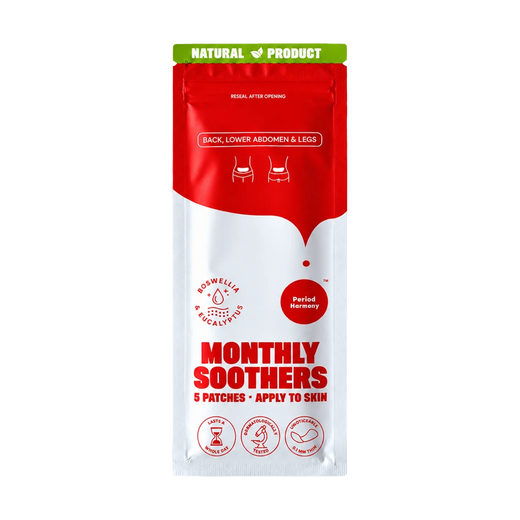
Laughter is universal. It’s free, it’s powerful, and it can be the best medicine, especially for women navigating the stresses of modern life. From physical health benefits to emotional resilience, laughter offers a natural boost that has been proven to support overall wellness. So, why exactly is laughter such a powerful medicine, and why might it be even more essential for women?The Science Behind LaughterWhen we laugh, our bodies release endorphins, the "feel-good" hormones that promote relaxation and well-being. Endorphins not only make us feel happier but also reduce the perception of pain, making laughter a natural way to alleviate discomfort.Here’s what happens when you laugh:1. Endorphin Release: These hormones lift your mood and create a natural “high.”2. Reduced Cortisol Levels: Laughing can decrease cortisol, the stress hormone, helping us manage anxiety. To further support stress relief, consider incorporating Women’s Health De-Stress into your wellness routine.3. Increased Blood Flow: Laughter boosts circulation, which is beneficial for cardiovascular health.4. Muscle Relaxation: After a good laugh, our muscles remain relaxed, helping relieve physical tension for up to 45 minutes.Why Laughter Matters More for WomenWomen often juggle multiple roles—whether it’s being caregivers, professionals, partners, or friends—and face unique societal pressures. Studies show women experience higher levels of anxiety and depression compared to men, making stress management an essential part of daily life.Laughter can be especially helpful in combating the pressures that women encounter by:- Promoting Resilience: Women often carry mental loads in relationships and family life. Laughter can serve as an emotional reset, offering a break from constant multitasking.- Enhancing Social Connection: Women are natural nurturers and find comfort in social bonds. Shared laughter can deepen connections with friends, family, and colleagues, reinforcing emotional support networks.- Boosting Self-Compassion: The ability to laugh at oneself can enhance self-acceptance. This is especially significant for women, who often face unrealistic standards. A dose of humour can serve as a reminder that it's okay to be imperfect.Physical Health Benefits of Laughter for WomenBeyond emotional well-being, laughter offers specific physical health benefits that are particularly relevant for women:1. Hormone Regulation: Laughter reduces cortisol levels, which can help balance hormonal fluctuations. For women experiencing menopause or menstrual discomfort, laughter can be an ally in alleviating mood swings and stress. For those dealing with menstrual discomfort, Period Harmony Monthly Harmony Patches may provide natural relief.2. Heart Health: Women have unique heart health needs, and laughter improves circulation, reduces blood pressure, and promotes relaxation—all of which support cardiovascular health.3. Pain Relief: Many women experience pain from conditions such as fibromyalgia, arthritis, or menstrual cramps. Endorphins released through laughter act as a natural pain reliever. If muscle relaxation and tension relief are a focus, CBD Balm may offer additional soothing benefits.Why Laughter Therapy Is Gaining Popularity“Laughter therapy” is a growing trend in health and wellness. This practice is designed to help people laugh intentionally, often through exercises, games, or group activities. Laughing releases more than just feel-good hormones; it also creates a sense of community and shared experience, which is a valuable asset for women.Tips for Bringing More Laughter into Your Life1. Connect with Funny Friends: Surround yourself with people who make you laugh.2. Watch or Read Comedy: Carve out time to watch a funny show, stand-up special, or read a humorous book.3. Practice Self-Compassion: Laugh at your mistakes and learn to see the humour in everyday situations.4. Try Laughter Yoga: Laughter yoga combines deep breathing and voluntary laughter, which often leads to genuine laughter and relaxation.5. Join a Laughter Club: Many cities have laughter clubs that meet regularly to laugh together, creating a safe space for releasing stress.Final ThoughtsLaughter is a tool that women can use to foster both emotional and physical well-being. Embracing humour not only improves your mood but can also offer a path to greater resilience, connection, and health. So, let yourself laugh—it might just be the best medicine you need today.
Learn more
In The Press
Simplify Your Fertility Tracking with Tempdrop
Take the guesswork out of cycle tracking with Tempdrop, the smart wearable thermometer that fits seamlessly into your routine. Designed to learn your unique patterns, it provides accurate, reliable insights without the hassle of early wake-ups or daily charts.