
Skip to content
In stock
30 Sachets / 30 Day Supply
You’re not the same every week, so your supplements shouldn’t be either. The Phase System™ is a 30-day supplement system designed around the changing needs of your menstrual cycle. With three targeted formulations for your bleed, follicular and luteal phases, it gives your body phase-specific support — when you need it most.
What makes it different
Most supplements ask you to take the same formula every day. The Phase System™ works with your cycle instead, combining consistent core nutrients with phase-specific ingredients selected to support how you feel across the month.
Each formulation includes core nutrients such as inositol, magnesium, zinc, vitamin D3, folate, B vitamins and chicory root fibre, alongside targeted botanicals and adaptogens for each phase.
Bleed Phase supports you during your period with iron, vitamin C, choline and ashwagandha.
Follicular Phase supports your post-period phase with rhodiola, plant-based omega 3 and green tea extract.
Luteal Phase supports the days before your next period with saffron extract, iodine, potassium, maca root and ashwagandha.
Inside each system
Start with Bleed Phase on day one of your period, then move through each formulation in order until your next cycle begins.
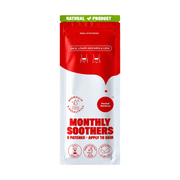
Bleed Phase: 5 daily sachets to take from day one of your period.
Follicular Phase: 10 daily sachets to take after your period.
Luteal Phase: 15 daily sachets to take after ovulation, before your next period.
Three formulations. One simple system. Designed to help you work with your cycle, not against it.
Delivery
Returns
View the shipping policy here.
View the returns policy here.
Please note: Orders shipped to Ireland femme will pay the customs charges.


Split your purchase into 3 interest-free payments.
Interest-free. Your exact payment schedule and eligibility are confirmed by Klarna at checkout. Terms apply.
Split your purchase into 4 interest-free payments.
Interest-free. Your exact payment schedule and eligibility are confirmed by Clearpay at checkout. Terms apply.
This article uses a lyrical love story to reframe how we think about the menstrual cycle — not as something to manage or fix, but as something to understand. Through the characters of Little Miss Cycle and Lord Temporous, it explores the power of patient observation, trust, and consistency in fertility awareness. Rather than rigid routines or guesswork, the story highlights a gentler approach to cycle tracking — one rooted in listening to the body over time. It invites readers to reconsider their relationship with their cycle and introduces tools like Tempdrop as quiet companions that support understanding without pressure. At its heart, this piece is an invitation to fall in love with your cycle — slowly, thoughtfully, and on your own terms.
Learn moreLove coffee? Let’s make it cycle-smart Love coffee but not always the jitters, sleep dips, or hot flushes that can tag along? Your caffeine sensitivity can shift across your menstrual cycle and again in perimenopause and menopause. Here’s a friendly, science-savvy guide to timing, dosing, and swapping your brew so it works with your body, not against it. This International Coffee Day, we’re sharing all our tips for enjoying your coffee while nuturing your body and hormones throughout your cycle. Key things to note… Sensitivity to caffeine can vary across your cycle. Keep coffee to the morning, after food, and avoid for up to 6–8 hours before bed. In PMS/luteal and during peri/menopause, try smaller cups, half-caff/decaf, and iced options. Track what changes for you (sleep, mood, hot flushes, anxiety, digestion). Bean Basics Caffeine can hang around for 6–8 hours; late cups can nudge anxiety and sleep issues. Try coffee 60–90 minutes after waking to avoid stacking on your natural morning cortisol spike. Eat first (protein + fibre) and drink water alongside to reduce jitters. Everyone’s sensitivity is different - and it can change across your cycle and through midlife. Brewed Awakening: Time Your Caffeine to Your Cycle Menstrual Phase (period days) Lower energy and cramps are common. Try: gentler brew, smaller cup, after a protein-rich breakfast. If cramps/IBS flare: switch to half-caff, decaf, cacao, or herbal options. Follicular Phase (energy rising) Many feel more caffeine tolerant here. Try: 1–2 small cups AM only; pair with water. If you tend to feel anxious: keep it to one. Ovulatory Phase (peak energy, sometimes “wired”) Great vibes… or buzzy. Try: one cup mid-morning, skip the second. If edgy: half-caff or matcha. Luteal/PMS (often more sensitive) Sleep and mood can dip; caffeine may amplify both. Try:half-caff/decaf, stop by early afternoon, hydrate well. Support: steady meals (protein + fibre) to keep blood sugar calm. Perimenopause & Menopause Hot flushes, fragmented sleep, and anxiety can be more caffeine-reactive. Try: iced or decaf, smaller cups, always after food, avoid late-PM. Track: notice patterns between caffeine and symptoms (more on that below). How Much Caffeine Is in My Cup? Typical ranges (brands and brews vary - use these as guides only): Espresso (1 shot / 30–40 ml): 60–75 mg Brewed coffee (240 ml): 80–100 mg Cold brew (350 ml): 150–240 mg Instant (240 ml): 60–80 mg Decaf (240 ml): 2–15 mg Black tea (240 ml): 40–60 mg Green tea (240 ml): 20–45 mg Matcha (1 tsp): 50–70 mg Cacao (1 tbsp): 10–25 mg Sleep tip: Many people sleep better when their last caffeine is 6–8 hours before bedtime (earlier for those of us who are sensitive to caffeine). Smart Swaps & Helpful Add-Ons Swaps: half-caff, decaf, matcha, cacao, chicory/dandelion “coffee.”Add-ons: cinnamon, milk/protein, ice (for hot flushes), and a water chaser. Two calmer-caffeine recipes to try: Cool Calm Latte (decaf, iced) 1 shot decaf espresso (or strong decaf coffee) Ice + milk of choice Pinch cinnamon, Drop of vanilla extract Optional: a scoop of collagen or protein if it suits you Cacao Chill (mocha-style, optional decaf) 1 tbsp cacao powder Milk of choice + ice 1 shot espresso (or decaf espresso) Whisk or shake until smooth Our simple cycle & coffee recommendations Follicular: 10:00 small latte → water → skip any coffee after 14:00. Luteal: 09:30 half-caff flat white after breakfast; herbal tea later. Peri/Meno: 11:00 iced decaf with lunch; protect sleep window. Track Your Response (Simple Check-In) Pick a week (or two) and jot a quick daily note on: Sleep: time to fall asleep, night wakings Mood/Anxiety: calm ↔ jittery Hot Flushes: frequency/intensity Digestion: comfy ↔ crampy/urgent Caffeine: what/when/how much Patterns beat guesswork. If something feels off, scale back, shift timing earlier, or try a swap. FAQs How many cups are “okay”? It depends on your sensitivity and goals. Many feel best at ≤ 1 small cup in luteal/PMS and peri/menopause. In more tolerant phases, 1–2 small AM cups can be fine. Is decaf “caffeine-free”? Not entirely - decaf still contains a small amount of caffeine (often 2–15 mg per cup). What about matcha? Matcha can feel smoother for some due to L-theanine, but it still contains caffeine (roughly 50–70 mg per teaspoon). Coffee and Hormones Round-Up So that's it, there are our tips of coffee and hormones. Coffee can absolutely be part of a hormone-friendly routine - especially when you time it, size it, and tailor it to your current phase. Start with morning-only, after food, wrap by early afternoon, and keep an eye on sleep and symptoms. Your kinder-caffeine sweet spot is personal—and worth finding.
Learn moreIntroduction Your menstrual cycle doesn’t just affect your body – it plays a major role in your mental health, too. Hormonal fluctuations throughout the month can lead to shifts in mood, energy levels, anxiety, and focus. Understanding the link between your menstrual cycle and mental health can help you feel more in control, supported, and empowered. 1. The Menstrual Cycle and Hormonal Changes Your menstrual cycle is divided into four key phases: menstrual, follicular, ovulation, and luteal. Each phase brings changes in hormone levels, particularly oestrogen and progesterone, which directly influence brain chemistry. Menstrual Phase (Days 1–5): Hormones are at their lowest, which can lead to fatigue, low mood, and irritability. Follicular Phase (Days 6–14): Rising oestrogen can boost mood, energy, and cognitive function. Ovulation (Around Day 14): A surge in oestrogen and luteinising hormone may increase confidence and libido. Luteal Phase (Days 15–28): Rising progesterone and declining oestrogen can lead to mood swings, anxiety, and premenstrual syndrome (PMS). 2. Mental Health Symptoms by Cycle Phase Mood Swings: Especially common in the luteal phase due to hormone withdrawal. Anxiety: Fluctuating progesterone levels may heighten anxiety sensitivity. Depression: Low oestrogen levels during menstruation can lower serotonin, a mood-regulating neurotransmitter. Brain Fog: Hormonal changes can impair focus and mental clarity, particularly during PMS. 3. What is PMDD? Premenstrual Dysphoric Disorder (PMDD) is a severe form of PMS that affects 3–8% of menstruating individuals. It includes intense emotional and physical symptoms such as depression, irritability, and tension during the luteal phase. If your cycle is consistently impacting your mental health, speak to a healthcare provider about PMDD or other hormonal mood disorders. 4. How to Support Your Mental Health Through Your Cycle Track Your Cycle: Use an app or journal to monitor symptoms and identify patterns. Eat Nutrient-Rich Foods: Support hormone balance with foods rich in B vitamins, magnesium, and omega-3s. Exercise Regularly: Gentle movement like walking or yoga can boost endorphins and reduce anxiety. Prioritise Sleep: Rest is crucial for hormonal regulation and emotional resilience. Consider Supplements: Adaptogens and nootropics, like magnesium or lion’s mane, may help support mood and cognitive function. Always consult a health professional before starting anything new. Conclusion Your mental health and menstrual cycle are deeply connected. By tuning into your body and recognising how hormonal shifts affect your mind, you can create a more compassionate and informed approach to self-care. Remember: what you feel is real, and support is available.
Learn moreChat with our team. Available from 9am - 5pm, Monday - Friday.
Learn more about our team, values, and approach.