Our Blog
PCOS Is Now PMOS: What It Means & How to Support It
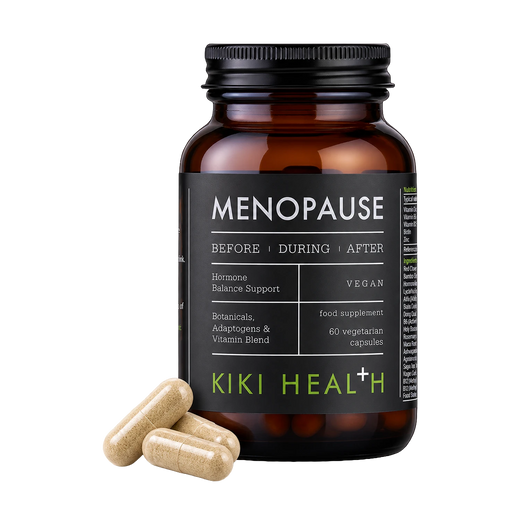
If you've spent any time in PCOS corners of the internet lately, you've probably seen it: PCOS has a new name. As of May 2026, it's officially Polyendocrine Metabolic Ovarian Syndrome, or PMOS for short. And no, your diagnosis hasn't changed, your treatment plan hasn't changed, and you haven't missed some huge medical U-turn. But the name change is a bigger deal than it might first look, and since September is PMOS Awareness Month, it felt like the right time to actually explain it properly, rather than just dropping an acronym on you and moving on. So let's get into it: what PMOS is, why the name changed, and what you can actually do about it, whether you're trying to conceive, trying to figure out why your cycle has a mind of its own, or just trying to feel like yourself again. Jump to what you need Wait, PCOS Is Now Called PMOS? Okay, So What Is PMOS, Exactly? Your PMOS Support Toolkit 15% Off PMOS Support Wait, PCOS Is Now Called PMOS? Yes, really. In May 2026, the American Society for Reproductive Medicine and the Endocrine Society, backed by a global consensus process involving patient groups and clinicians and published in The Lancet, formally renamed Polycystic Ovary Syndrome to Polyendocrine Metabolic Ovarian Syndrome. The short version of why: "Polycystic Ovary Syndrome" was never a great description. A lot of people with the condition don't actually have cysts on their ovaries at all, what shows up on a scan is usually a higher number of small follicles, not cysts in the traditional sense. And naming the condition after the ovaries made it sound like an ovary problem, when really it's a whole-body hormonal and metabolic condition that happens to show up in the ovaries as one of its symptoms, not the cause. The new name isn't just a rebrand for the sake of it. According to the Endocrine Society, the goal is better awareness, earlier diagnosis, and less confusion for the estimated 170 million women living with it worldwide, including around 1 in 8 women in the UK, per coverage from ITV News and the UK charity Verity. If you already have a PCOS diagnosis, nothing changes for you clinically. Same condition, same you, just a name that finally makes a bit more sense. 1 in 8 women in the UK 170M women worldwide 70% still undiagnosed Okay, So What Is PMOS, Exactly? "Polyendocrine metabolic ovarian syndrome (PMOS) is a hormone condition that can affect hair growth, periods, fertility and mood. There is no cure, but treatments and lifestyle changes can help." - NHS UK Here's the plain-English version. PMOS is a common hormonal and metabolic condition, and it's usually driven by insulin resistance, which is when your body doesn't respond to insulin as efficiently as it should. To compensate, your body produces more insulin, and higher insulin levels are closely linked to higher androgen levels (the hormones often labelled "male hormones," though everyone has them). That knock-on effect is where a lot of the classic symptoms come from: irregular or unpredictable periods, acne, extra hair growth, changes in weight, and fertility difficulties. Diagnosis usually comes down to three main things: irregular or absent ovulation, higher androgen levels, and polycystic-appearing ovaries on a scan. You don't need all three, and you don't need to have "classic" symptoms to have PMOS. It shows up differently for everyone, which is part of why it takes people so long to get diagnosed in the first place. And that's a genuinely big problem: PMOS is thought to be one of the most under-diagnosed hormonal conditions out there, with some estimates suggesting up to 70% of cases go undiagnosed. If you've been told your symptoms are "just stress" or "normal," you're honestly not alone. Your PMOS Support Toolkit Managing PMOS isn't about strict rules or restriction, it's about giving your body practical, targeted support in the areas where it needs it most. Here's how we think about it, broken into four areas. Four ways to support your journey, however it looks: Track your cycle with confidence Support your body while trying to conceive Balance everyday hormonal symptoms Relieve the discomfort that can come with it SHOP PMOS COLLECTION Track: Wearable BBT Sensor Know What Your Cycle Is Actually Doing Ovulation with PMOS can be hard to predict. Cycles can run long, irregular, or for some, not include ovulation at all. Tempdrop reads your basal body temperature automatically overnight, helping you understand your pattern, including whether and when ovulation happens, without daily guesswork. Support: Myo-Inositol If you're trying to conceive with PCOS, ovulation is usually the biggest hurdle. One common reason it gets disrupted is insulin resistance: when your body becomes less responsive to insulin, it produces more of it, and higher insulin levels can interfere with ovarian hormone signalling, delaying or suppressing ovulation. This is where myo-inositol comes in. It's a naturally occurring compound that plays a role in insulin signalling and ovarian function, and it's one of the most frequently mentioned supplements in PMOS communities, even though half of people haven't heard of it before trying to conceive. It's not a cure and not a guarantee, but it can be a helpful piece of a broader fertility plan. Proceive's Pure Myo-Inositol is highly bioavailable, free from fillers and binders, and can be taken alongside a multivitamin like Proceive Max Women for broader nutritional support. Balance: Supplements Daily Hormone Support Not everyone managing PMOS is trying to conceive, and honestly, a lot of PMOS content forgets that. If you're dealing with the day-to-day side, skin changes, energy dips, mood swings, an unpredictable cycle, daily hormone balance supplements are designed specifically for that: ongoing, everyday support for hormonal and metabolic balance, rather than something tied to a fertility goal. KIKI Health PMS supplement provides vitamin B6 to support normal hormonal activity, zinc for normal fertility and carbohydrate metabolism, plus magnesium and vitamin B5 to support energy, psychological function and normal steroid hormone metabolism. Gigi's PMS & Hormone Balance Blend is built for everyday support. It combines four nutrients backed by research, zinc, inositol, magnesium and vitamin D, each targeting a different part of the picture. Zinc helps support lower testosterone levels and more regular ovulation, inositol supports steadier blood sugar and more regular cycles, magnesium helps ease inflammation and supports better sleep, and vitamin D, often low in women with PMOS, supports mood and hormonal balance. Together, they're designed to help with the everyday side of PMOS, skin, energy, cycles and mood, not just fertility. The Phase System offers nutritional support that many women find helpful, including those managing PMOS. The standout is myo-inositol, involved in insulin signalling and ovarian function, and one of the most researched ingredients for PMOS specifically. Alongside it, Phase contains vitamin B6, zinc, magnesium, vitamin D3, folate and B12, nutrients that contribute to normal hormonal activity, fertility, energy metabolism and psychological wellbeing. Together they offer nutritional support that fits naturally into a PMOS conscious routine. Relieve: Period Harmony Soothing Patches Cramping and pelvic pain can be part of the picture too, and sometimes you just need something that helps in the moment. That's where something like Period Harmony patches come in, offering targeted, on-the-go relief for the physical side of things, alongside everything else you're doing to support your body long-term. SHOP PMOS COLLECTION A Few Doable Things You Can Start Today Supplements and tracking help, but they work best alongside a few small, sustainable habits, not a total lifestyle overhaul: Aim for regular meals with a mix of protein, fibre and slow-release carbs, it helps keep insulin levels steadier through the day. Move your body in ways you actually enjoy. Consistency beats intensity here. Prioritise sleep where you can. Poor sleep is linked to worse insulin sensitivity, which can make symptoms harder to manage. Be patient with yourself. PMOS is a long-term, whole-body condition, and small, consistent changes tend to matter more than dramatic short-term ones. Support That's Easy to Find That's the whole point of PMOS Awareness Month, as far as we're concerned: making the information and the support easier to access, whatever stage of your journey you're on. All September, you can get 15% off products in the PMOS collection with code SUPPORT15. September PMOS Discount 15% off SUPPORT15 Only available on products in the PMOS collection. Valid until 30 September. One use per customer. Shop Now This article is for general information only and isn't a substitute for medical advice. Products mentioned are suggested only as general support and aren't guaranteed to relieve or treat PMOS symptoms. If you think you might have PMOS, or you're managing symptoms and unsure what's right for you, speak to your GP or a specialist. Food supplements should not be used as a substitute for a varied and balanced diet. SHOP PMOS COLLECTION
Learn more
In The Press
Simplify Your Fertility Tracking with Tempdrop
Take the guesswork out of cycle tracking with Tempdrop, the smart wearable thermometer that fits seamlessly into your routine. Designed to learn your unique patterns, it provides accurate, reliable insights without the hassle of early wake-ups or daily charts.