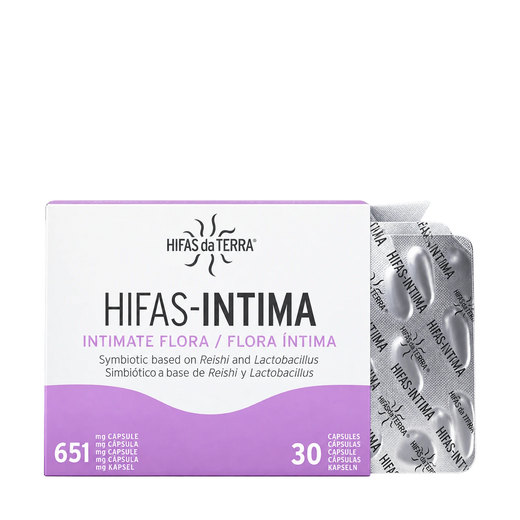
A targeted synbiotic with four Lactobacillus strains, Reishi, D-Mannose and vitamins to support vaginal flora, immunity and healthy mucous membranes.
Supports healthy vaginal flora
Supports intimate microbiome balance
Supports healthy mucous membranes
Supports normal immune function
12 billion CFU per capsule
Supports intimate comfort
*femme do not endorse products, nor do we confirm their effectiveness; instead we recommend that you always seek advice from your GP (and your fertility clinic, especially if you are taking prescribed fertility medication) before product use.
Buy 3 for 15% off
Mix and match any 3 eligible products and save 15%.
Buy any 3 eligible products and save 15% on your one-time purchase. Subscribing? Your 15% saving is already included.
This product
Description
HIFAS Intima Vaginal Prebiotic and Probiotic is a targeted daily synbiotic formulated to support intimate wellbeing, vaginal flora and healthy mucous membranes. Each capsule combines four Lactobacillus strains with Reishi, D-Mannose, inulin, sage and vitamins A and C, providing at least 12 billion CFU of live lactic acid bacteria per capsule at source.
The formula contains Lactobacillus acidophilus, L. crispatus, L. gasseri and L. rhamnosus, bacterial species associated with a healthy vaginal microbiota. Vitamin A contributes to the maintenance of normal mucous membranes, while vitamin C supports normal immune function. Inulin provides a prebiotic component alongside the Lactobacillus cultures, creating a synbiotic approach to everyday intimate support. HIFAS Intima can be particularly useful when vaginal flora may be disrupted, including around antibiotic use and during perimenopause or menopause.
Suitable for vegans and vegetarians and free from gluten and listed allergens. If you experience unusual discharge, pain, persistent irritation or symptoms of a vaginal or urinary infection, seek appropriate medical advice. If pregnant or breastfeeding, taking medication or under medical supervision, speak to your healthcare professional before use. Keep at least 2 hours between HIFAS Intima and antibiotics. Explore the wider HIFAS da Terra range or HIFAS Intima Gel Vaginal Moisturiser for complementary intimate comfort support.
What's inside
1 x HIFAS Intima Vaginal Prebiotic and Probiotic, 30 vegan capsules.
Capsule shell: Hydroxypropyl methylcellulose. Also contains silicon dioxide, magnesium salts of fatty acids and maltodextrin.
Provides at least 12 billion CFU of live lactic acid bacteria per capsule at source.
Suitable for vegans and vegetarians. Gluten-free, GMO-free and free from listed allergens according to the manufacturer.
How it works
Take 1–2 capsules daily on an empty stomach before one of your main meals.
For periods of intimate imbalance, Hifas da Terra recommends 2 capsules daily for at least 15 days, followed by 1 capsule daily for maintenance.
For ongoing vaginal flora support, take 1 capsule daily for a minimum of 3 months.
Avoid taking alongside medicines or other fibre-based supplements. If using antibiotics, leave at least 2 hours between the antibiotic and HIFAS Intima.
Store in the original packaging below 25°C. Once opened, consume within two months.
Deliveries & Returns
Delivery
All orders are processed within 2 business days.
Free standard delivery on orders over £40.
Orders to Ireland are shipped via UPS and typically arrive within 3–5 working days.
Please note: While we make the necessary updates to comply with new EU packaging regulations, some products are temporarily unavailable for delivery to the Republic of Ireland. Tempdrop products are unaffected and can still be delivered as normal. We apologise for any inconvenience caused.
Returns
Tempdrop is classified as a medical device and cannot be returned or exchanged once opened. Please check sizing carefully before placing your order. This does not affect your statutory rights if the product is faulty.
Unopened items can be returned within 30 days of delivery with valid proof of purchase.
Please note:For orders shipped to Ireland, femme will pay any customs charges.
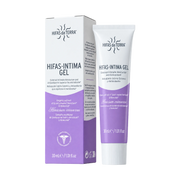
HIFAS Intima Gel Vaginal Moisturiser
£20.00
In stock
0
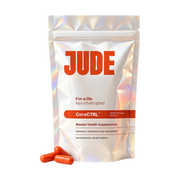
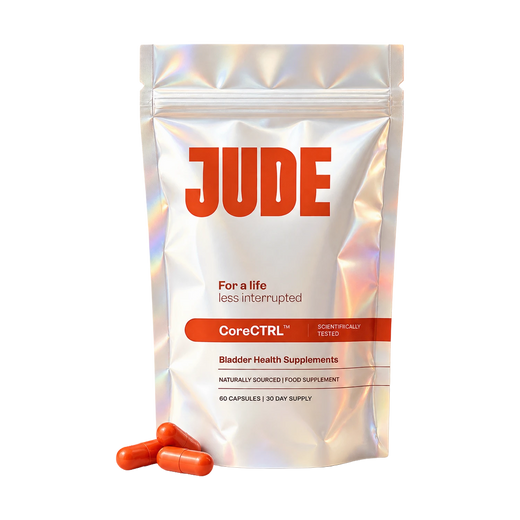
Jude CoreCTRL™ Bladder Health Supplement
£39.50
In stock
0
Spread the cost with
Select a payment option to view the instalment breakdown.
Pay in 3 with Klarna
Split your purchase into 3 interest-free payments.
Payment scheduleAmount
1First payment£0.00
2Second payment£0.00
3Final payment£0.00
Total£0.00
Interest-free. Your exact payment schedule and eligibility are confirmed by Klarna at checkout. Terms apply.
Pay in 4 with Clearpay
Split your purchase into 4 interest-free payments.
Payment scheduleAmount
1First payment£0.00
2Second payment£0.00
3Third payment£0.00
4Final payment£0.00
Total£0.00
Interest-free. Your exact payment schedule and eligibility are confirmed by Clearpay at checkout. Terms apply.
Formula Highlights
12bn Live Cultures
Each capsule provides at least 12 billion CFU of live lactic acid bacteria at source.
4 Lactobacillus Strains
Includes L. acidophilus, L. crispatus, L. gasseri and L. rhamnosus for targeted intimate-microbiome support.
Gold Award Winner
Winner of Best V Care at the Get The Gloss Wellness Awards 2025.
FAQs
When should a vaginal probiotic be taken?
Recommended as an adjunctive treatment with antibiotics/antifungals in cases of vaginal, urinary and other types of infections. Especially during the menopause and perimenopause. Women who wish to maintain a balance in the vaginal flora to preserve adequate pH levels and lubrication.
How can HIFAS-INTIMA be taken?
Acute phase: in cases of imbalance or infections, 2 capsules/day for a minimum of 15 days.
It is recommended to continue taking 1 capsule a day for 3 months to achieve a maintenance and balance of vaginal flora.
As maintenance of vaginal flora: 1 capsule/ day for 3 months.
Can you take several mushrooms at the same time?
Yes, in principle it has no contraindication. When the health professional prescribes different types of extracts already considers this option. Sometimes, the synergistic effect of different extracts power isolated effects.
What is the difference between powder and extract?
When we talk about powder, we are referring to the format that results from drying the fruiting body of fungi at low temperatures and then grinding it. At Hifas da Terra, we carry out cryomilling, which is a transformation process at below 0ºC without the use of hammers or knives. The powder is produced by the friction of 98 stainless steel bars, which break down the cell walls of the fungi and release the active biomolecules of interest, such as prebiotics, fibre, etc.
To obtain the extract, we use a different process that produces a highly concentrated powder rich in natural active nutrients such as beta-glucans, terpenes, ergothioneine, fatty acids, ergosterol, hericenones, grifolan, etc.
At Hifas da Terra, thanks to our R&D team, we develop sustainable extraction techniques, such as Hifas Green Extraction TechnologyⓇ, which allows us to obtain pure mushroom extracts with high concentrations of active biomolecules and active ingredients. Due to their more concentrated nature, the extracts provide greater potency and efficacy in their therapeutic action. This allows us to formulate in such a way that the optimal dose is achieved with fewer capsules per day, obtaining results in a shorter period of time.
Is it necessary to take 'breaks' or can I take the products continuously?
It is not necessary to take breaks. Both extracts and pure Hifas mushroom powders can be taken continuously as they do not cause any unwanted side effects: they are food supplements which, as their name suggests, complement a healthy lifestyle. However, the duration of use will be indicated by the healthcare professional who prescribes the treatment.
Expert menopause wellness advice from Hifas da Terra's Katie O'Connell, covering perimenopause, nutrition, hormone-free support and vaginal dryness during menopause.
Introducing at home health testing at femme, with clinically meaningful tests for hormones, fertility, sexual health, intimate wellbeing and everyday wellness, all from the comfort of home.
Nua Fertility and NuaBiome founder Deborah Brock shares the fertility journey behind the brand, its microbiome-focused approach and why fertility support should include both partners.
HIFAS Intima Vaginal Prebiotic and Probiotic is a targeted daily synbiotic formulated to support intimate wellbeing, vaginal flora and healthy mucous membranes. Each capsule combines four Lactobacillus strains with Reishi, D-Mannose, inulin, sage and vitamins A and C, providing at least 12 billion CFU of live lactic acid bacteria per capsule at source.
The formula contains Lactobacillus acidophilus, L. crispatus, L. gasseri and L. rhamnosus, bacterial species associated with a healthy vaginal microbiota. Vitamin A contributes to the maintenance of normal mucous membranes, while vitamin C supports normal immune function. Inulin provides a prebiotic component alongside the Lactobacillus cultures, creating a synbiotic approach to everyday intimate support. HIFAS Intima can be particularly useful when vaginal flora may be disrupted, including around antibiotic use and during perimenopause or menopause.
Suitable for vegans and vegetarians and free from gluten and listed allergens. If you experience unusual discharge, pain, persistent irritation or symptoms of a vaginal or urinary infection, seek appropriate medical advice. If pregnant or breastfeeding, taking medication or under medical supervision, speak to your healthcare professional before use. Keep at least 2 hours between HIFAS Intima and antibiotics. Explore the wider HIFAS da Terra range or HIFAS Intima Gel Vaginal Moisturiser for complementary intimate comfort support.