A comprehensive monthly-support formula combining magnesium and vitamin B6 with saffron, ashwagandha and traditional botanicals to support hormonal activity, energy and everyday wellbeing.
Supports normal hormone activity
Helps reduce tiredness
Magnesium for muscle function
With saffron & ashwagandha
No fillers or additives
Vegan & gluten-free
*femme do not endorse products, nor do we confirm their effectiveness; instead we recommend that you always seek advice from your GP (and your fertility clinic, especially if you are taking prescribed fertility medication) before product use.
Buy 3 for 15% off
Mix and match any 3 eligible products and save 15%.
Buy any 3 eligible products and save 15% on your one-time purchase. Subscribing? Your 15% saving is already included.
This product
Description
KIKI Health PMS Support Capsules are a targeted daily supplement created to support physical and emotional wellbeing throughout the menstrual cycle. The formula combines magnesium, vitamin B6, vitamin B5, zinc and folic acid with a concentrated botanical blend including saffron, ashwagandha, dong quai, asparagus root and broccoli sprouts. Vitamin B6 contributes to the regulation of hormonal activity, while magnesium supports normal muscle and psychological function and, together with B6, contributes to reducing tiredness and fatigue.
The botanical blend adds another dimension to the formula. Saffron has been investigated in randomised, placebo-controlled research for premenstrual symptoms, while ashwagandha has been studied more broadly for its relationship with stress and psychological wellbeing. KIKI also includes traditionally used botanicals such as dong quai and asparagus root, creating a comprehensive monthly-support formula rather than relying on a single nutrient. Each serving contains 100% active ingredients with no fillers or artificial additives.
Medical advice: femme recommends seeking advice from your GP before using this product and consulting your fertility clinic if you are taking prescribed fertility medication. KIKI Health advises anyone who is pregnant, breastfeeding or under medical supervision to consult a healthcare professional before use. Those taking hormonal treatments, blood thinners or other prescription medicines should also check suitability with their doctor or pharmacist. Explore hormone support supplements, period care, or the wider KIKI Health range.
What's inside
1 x KIKI Health PMS Support containing 60 vegicaps.
Per 2-capsule serving: Magnesium 113mg, Vitamin B6 2.8mg, Pantothenic Acid (Vitamin B5) 6mg, Zinc 5mg and Folic Acid 200mcg. The botanical ingredients include 200mg Broccoli Sprout Powder, 40mg Asparagus Root Extract, 33mg Dong Quai Root Extract, 25mg Saffron Extract and 18mg Ashwagandha Root Extract.
How it works
Adults should take 2 capsules daily with approximately 250ml of water or another cold drink. For consistent support throughout the cycle, KIKI recommends taking the capsules every day rather than only when premenstrual symptoms begin.
Store in a cool, dry place away from direct sunlight. Refrigeration is not required.
Deliveries & Returns
Delivery
All orders are processed within 2 business days.
Free standard delivery on orders over £40.
Orders to Ireland are shipped via UPS and typically arrive within 3–5 working days.
Please note: While we make the necessary updates to comply with new EU packaging regulations, some products are temporarily unavailable for delivery to the Republic of Ireland. Tempdrop products are unaffected and can still be delivered as normal. We apologise for any inconvenience caused.
Returns
Tempdrop is classified as a medical device and cannot be returned or exchanged once opened. Please check sizing carefully before placing your order. This does not affect your statutory rights if the product is faulty.
Unopened items can be returned within 30 days of delivery with valid proof of purchase.
Please note:For orders shipped to Ireland, femme will pay any customs charges.
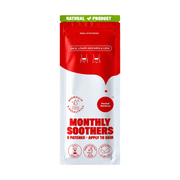
Period Harmony Monthly Soothers Warming Patches
£7.99
In stock
0
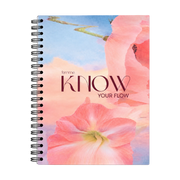
Know Your Flow Planner: A 12-week journey to understanding your cycle
£14.99
In stock
0
Tempdrop Fertility, Cycle & Ovulation Tracker | Wearable Basal Body Temperature Tracker
£229.00
In stock
0
Spread the cost with
Select a payment option to view the instalment breakdown.
Pay in 3 with Klarna
Split your purchase into 3 interest-free payments.
Payment scheduleAmount
1First payment£0.00
2Second payment£0.00
3Final payment£0.00
Total£0.00
Interest-free. Your exact payment schedule and eligibility are confirmed by Klarna at checkout. Terms apply.
Pay in 4 with Clearpay
Split your purchase into 4 interest-free payments.
Payment scheduleAmount
1First payment£0.00
2Second payment£0.00
3Third payment£0.00
4Final payment£0.00
Total£0.00
Interest-free. Your exact payment schedule and eligibility are confirmed by Clearpay at checkout. Terms apply.
Formula Highlights
Saffron + Ashwagandha
A targeted botanical pairing chosen for a daily formula focused on premenstrual wellbeing.
Magnesium
Magnesium contributes to normal muscle function and supports normal psychological function.
Hormone-Support Nutrients
The wider nutrient blend is designed to support normal hormonal activity and help reduce tiredness.
FAQs
What are KIKI Health PMS Support Capsules designed for?
They are formulated for everyday nutritional support throughout the menstrual cycle, combining vitamins and minerals with botanical ingredients selected for monthly wellbeing.
How many capsules should I take each day?
Take 2 capsules daily with approximately 250ml of water or another cold drink.
How long does one bottle last?
Each bottle contains 60 capsules, providing a 30-day supply at the recommended two capsules per day.
How does vitamin B6 support the menstrual cycle?
Vitamin B6 contributes to the regulation of hormonal activity and also contributes to normal psychological function and the reduction of tiredness and fatigue.
Why does the formula contain magnesium?
Each daily serving provides 113mg of magnesium. Magnesium contributes to normal muscle and psychological function, normal functioning of the nervous system and the reduction of tiredness and fatigue.
Why is saffron included?
KIKI includes 25mg of saffron extract per daily serving. Saffron has also been investigated in randomised placebo-controlled research for premenstrual symptoms, although research on an individual ingredient does not guarantee the same effects from a particular supplement formulation.
Is KIKI Health PMS Support vegan?
Yes. KIKI describes the formula as vegan-friendly and gluten-free. It contains 100% active ingredients without fillers or artificial additives.
Should I speak to my GP before taking it?
Yes. Femme recommends seeking advice from your GP before use, particularly if you take medication. KIKI also recommends professional advice if you are pregnant, breastfeeding or under medical supervision.
How can KIKI PMS Support complement wellbeing with PMOS?
Women with PMOS can experience challenges around hormonal, metabolic and everyday wellbeing. KIKI provides vitamin B6 to support normal hormonal activity, zinc for normal fertility and carbohydrate metabolism, plus magnesium and vitamin B5 to support energy, psychological function and normal steroid hormone metabolism.
PCOS is now PMOS: what the newer terminology means, why metabolic health is part of the conversation, and evidence-led ways to support symptoms, fertility and long-term health.
Coffee and hormones explained: caffeine during the luteal phase, periods and menopause, how timing can affect sleep and symptoms, and why no coffee can 'balance' hormones.
KIKI Health PMS Support Capsules are a targeted daily supplement created to support physical and emotional wellbeing throughout the menstrual cycle. The formula combines magnesium, vitamin B6, vitamin B5, zinc and folic acid with a concentrated botanical blend including saffron, ashwagandha, dong quai, asparagus root and broccoli sprouts. Vitamin B6 contributes to the regulation of hormonal activity, while magnesium supports normal muscle and psychological function and, together with B6, contributes to reducing tiredness and fatigue.
The botanical blend adds another dimension to the formula. Saffron has been investigated in randomised, placebo-controlled research for premenstrual symptoms, while ashwagandha has been studied more broadly for its relationship with stress and psychological wellbeing. KIKI also includes traditionally used botanicals such as dong quai and asparagus root, creating a comprehensive monthly-support formula rather than relying on a single nutrient. Each serving contains 100% active ingredients with no fillers or artificial additives.
Medical advice: femme recommends seeking advice from your GP before using this product and consulting your fertility clinic if you are taking prescribed fertility medication. KIKI Health advises anyone who is pregnant, breastfeeding or under medical supervision to consult a healthcare professional before use. Those taking hormonal treatments, blood thinners or other prescription medicines should also check suitability with their doctor or pharmacist. Explore hormone support supplements, period care, or the wider KIKI Health range.